
Should Your 3PL Also Handle Your Freight? When One Team Saves You Money

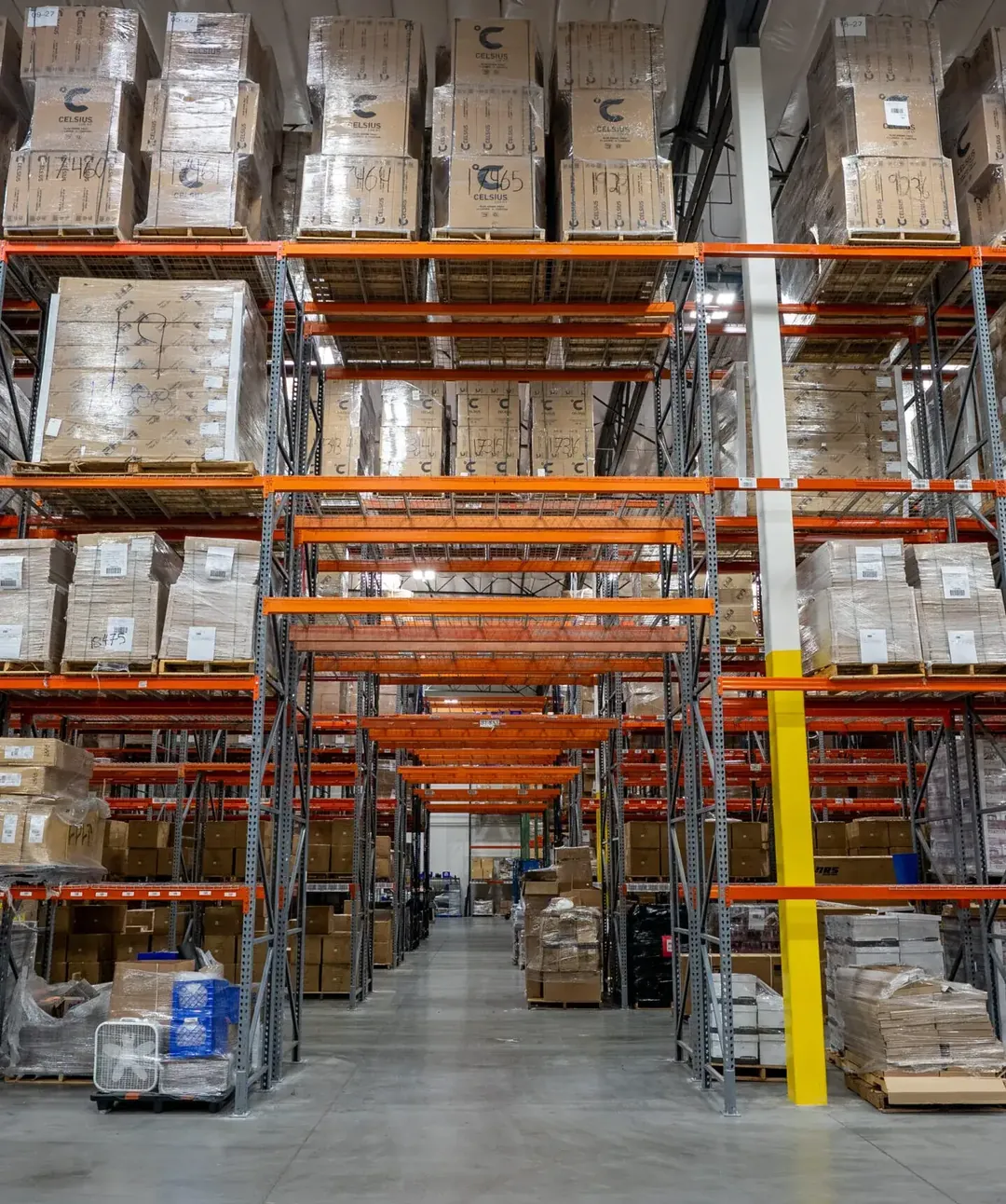
If you move pallets as well as parcels, usually yes. When the same team runs your warehouse and manages your freight, inbound containers, retail deliveries and LTL or FTL loads get scheduled around what's actually on the dock, and there's one person to call when something slips. Our Las Vegas (Henderson) and Orlando warehouses run both. If you only ship small parcels, it matters less.
Why does it matter who runs your freight?
Most freight problems aren't truck problems. They're handoff problems.
- A carrier shows up for a pickup the warehouse didn't know about.
- A container lands with no labor scheduled to unload it.
- A retail order is picked and wrapped, but the truck was booked for the wrong day, and the retailer charges you for the late delivery.
Each of those costs money: detention charges, missed delivery windows, retailer chargebacks, and hours of your team's time sorting out who dropped it. When the warehouse and the freight desk are separate companies, every one of those gaps has two sides and no owner.
What counts as freight for a fulfillment brand?
Freight is anything that moves by the pallet or the truckload, not by the parcel. For most brands that means:
- Inbound freight. Containers and LTL shipments from your manufacturer into the warehouse.
- Retail and wholesale deliveries. Pallets to retailer distribution centers, often with set delivery appointments and routing guides.
- LTL, partial truckload and full truckload. LTL shares a truck with other shippers. Partial and full truckload give you more or all of the trailer.
- Oversized direct-to-consumer orders. Products too big or heavy for normal parcel service, like large equipment or furniture.
- Event and trade show freight. Product and displays delivered to a venue on a fixed date.
What goes wrong when the warehouse and freight are run separately?
Appointments get missed. Retail DCs book delivery windows. If the warehouse finishes the order but the carrier was scheduled by someone else, the window can slip.
Inbound arrives unplanned. A container that shows up without notice waits at the dock, and waiting time costs money.
Nobody owns the problem. The warehouse says the carrier was late. The carrier says the freight wasn't ready. You end up refereeing.
The data lives in two places. Order status sits in one system and freight tracking in another, so you can't see where a shipment actually is without asking two companies.
For more on the retail side of this, see our post on retail chargebacks.
When does one team make the most sense?
Putting fulfillment and freight under one team pays off most when you:
- Ship to retailers or wholesalers on pallets. Routing guides, appointment windows and pallet builds all have to line up.
- Import product by container. Inbound has to match receiving labor and dock space.
- Sell oversized or heavy products. Parcel rates and damage risk climb fast on big items. See big and bulky fulfillment.
- Ship from more than one warehouse. Moving inventory between buildings is freight too.
- Run events or trade shows. Delivery dates don't move, so the warehouse and the truck have to be planned together.

When doesn't it matter much?
If you're a direct-to-consumer brand shipping small parcels, and your inbound is a few pallets a month from a supplier who books their own freight, one team for both adds less. Your bigger levers are order accuracy and parcel shipping costs.
It also matters less if you already have a freight broker who's tightly connected to your warehouse. Then the question is just whether the two are actually talking to each other.
Parcel, LTL or full truckload: how do you choose?
The right mode depends on weight, volume, destination and deadline.
- Parcel fits small, light orders going to many addresses.
- LTL fits a few pallets going to one place, when you don't need the whole truck.
- Partial or full truckload fits large volumes going to one destination, where you pay for space instead of sharing it.
What matters is that whoever picks the mode can also see what's in the warehouse and when it'll be ready. That's the advantage of one team. The true cost of each mode, beyond the line-haul rate, is covered in the true cost of freight.
What about imports and customs?
Customs clearance is handled by a licensed customs broker. TCB is not a customs broker. What one team changes is everything around clearance:
- Knowing when the container is coming.
- Having labor ready to unload it.
- Getting the product counted and available to sell quickly.
Real examples
RoadRunner Scooters. Electric scooters weighing 85 to 150 pounds each, where every shipment carried real freight cost and damage risk. Reworking freight class, packaging and carrier selection together cut freight cost by more than 25%. Read the RoadRunner Scooters case study.
Bob's Coolers. Bulky coolers sold direct and wholesale, with inventory arriving by container. Structured container receiving, right-sized packaging, and carrier and routing changes cut shipping cost by nearly 40%. Read the Bob's Coolers case study.
Slice Drinks. Product for two festivals a month apart, When We Were Young in Las Vegas and Warped Tour in Orlando. 32 pallets moved across the two shows, staged by purchase order so concessions and sampling could unload fast, with return legs after each show. Read the Slice Drinks case study.
Questions to ask before you hand a 3PL your freight
- Who books your freight, and who owns it when something slips?
- Who schedules retail delivery appointments, and who's accountable if one is missed?
- Can I see order status and freight tracking in one place?
- How do you plan labor around inbound containers?
- Which modes do you handle: LTL, partial truckload, full truckload?
- How do you handle oversized or heavy direct-to-consumer orders?
- Who do I call when a shipment is late, and do they have the answer?
- How do you confirm pickup dates before you quote?
FAQs
Should my 3PL also handle my freight?
Your 3PL should also handle your freight if you ship pallets to retailers, import by container, sell oversized products or run events. One team can schedule trucks around what's ready on the dock and own the problem when something slips. Parcel-only brands gain less.
What is the difference between LTL and full truckload?
The difference between LTL and full truckload is how much of the trailer you use. LTL, or less than truckload, shares a trailer with other shippers' freight. Full truckload gives you the whole trailer. LTL suits a few pallets; full truckload suits large volumes going to one destination.
Does TCB handle customs clearance?
No, TCB does not handle customs clearance. TCB is not a customs broker, and imports clear through a licensed customs broker. Once product clears, TCB coordinates receiving, unloading and getting it counted into inventory so it's ready to sell.
Can one 3PL handle both retail deliveries and direct-to-consumer orders?
Yes, one 3PL can handle both retail deliveries and direct-to-consumer orders from the same inventory. Retail pallets follow the retailer's routing guide and appointment windows, while consumer orders ship by parcel. Running both from one place keeps your inventory counts in sync across channels.
How fast can freight be picked up?
How fast freight can be picked up depends on the mode, the destination and when the order is ready. Same-day may be available. We confirm it case by case before we quote. Booking retail appointments early is the best way to protect delivery windows.
What freight problems cost brands the most?
The freight problems that cost brands the most are usually handoff gaps: missed retail appointments, containers arriving with no labor scheduled, and shipments nobody owns. They show up as detention charges, chargebacks and lost time. Having one team manage warehouse and freight closes most of those gaps.
Ready to simplify your freight?
At TCB Global, one team runs your warehouse and books and manages your freight, from Las Vegas and Orlando. See how our freight shipping works with B2B and wholesale fulfillment, or get a quote.
New Post:
Case Study

How F*ck Cancer Runs a Seven-Festival Tour Without a Logistics Team
F*ck Cancer brings cancer awareness to major music festivals through an activation tent. Their team sets it up and tears it down. Since 2024 we've handled everything behind that: routing, freight, delivery, pickup and storage between shows across seven festivals.
Read More