Freight Shipping
LTL, full truckload, cross-docking, transloading and international freight, booked by the same team holding your inventory in Nevada and Florida.

Freight booked by the team holding your inventory
Yes, we can book and manage freight. LTL, full truckload, cross-docking, transloading and international freight coordinated from the same warehouses holding your inventory. Full truckload economics generally improve at 20 or more pallets.
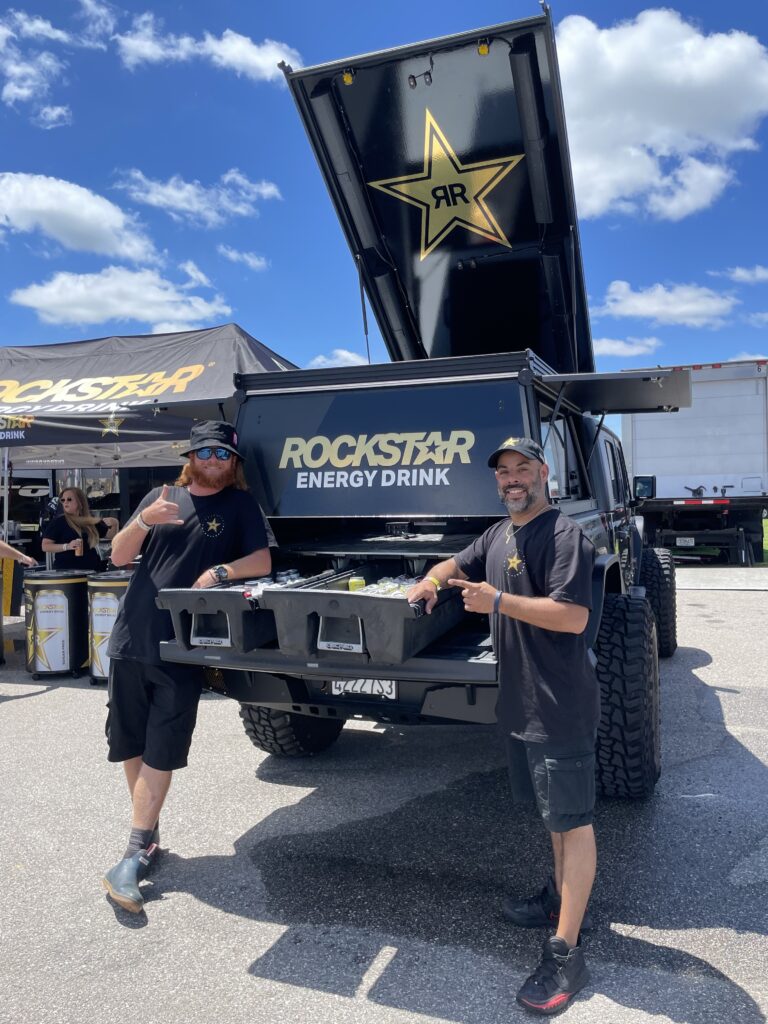
Our transportation side is run by Julian Revelles, who spent more than 15 years in beverage logistics at Rockstar Energy before TCB.
Choosing a mode
LTL is for shipments too large for parcel and too small to fill a trailer. You pay for the space you use and share the trailer, which means more handling and more transit variability.
Full truckload is for shipments that fill or nearly fill a trailer. The trailer is yours, it doesn't get rehandled, and transit is more predictable. The economics generally turn in your favor around 20 pallets, though weight and lane move that line.
Flatbed and specialized is for freight that doesn't fit a dry van, including oversized product.
Parcel is handled through fulfillment rather than freight.
What actually shows up on a freight invoice
The line rate is rarely the whole bill. The additions that surprise people:
- Fuel surcharge. A percentage adjustment tied to diesel prices, applied on top of the base rate.
- Accessorials. Charges for anything beyond dock-to-dock: liftgate, residential delivery, inside delivery, limited access location, appointment scheduling, reconsignment.
- Detention. Charged when a driver waits beyond free time at pickup or delivery.
- Dwell. Time a container or trailer sits before it's unloaded, common on import moves.
- Reclassification. A retroactive adjustment when a load was classed wrong.
Most freight overspend traces to these rather than to the base rate. Quoting three carriers on line rate while ignoring accessorial exposure is how brands end up paying more on the cheaper quote.
International freight
We coordinate international freight moving inbound to our facilities and, where required, outbound to overseas destinations. Ocean and air, container consolidation, and delivery from port to warehouse.
Landed cost is the number that matters on an import, not the ocean rate. Duty, customs fees, drayage, transloading and inland freight frequently exceed the ocean leg on lower-value goods.
How it works
- Send origin, destination, dims, weights and commodity. If the freight is already in our warehouse, we have most of that.
- The load is classed off actual dimensions and weights.
- Mode is selected against cost, transit requirement and handling risk.
- The carrier is booked and an appointment scheduled where the receiver requires one.
- The shipment is tracked to delivery, with exceptions raised before they become claims.
- The invoice is reviewed against the quote so accessorials and reclasses get caught.
What's included
- LTL. Shared-trailer freight for shipments too large for parcel and too small to fill a truck.
- Full truckload. Dedicated trailers with no rehandling and more predictable transit.
- Flatbed and specialized. Equipment for freight that doesn't fit a dry van, including oversized product.
- Cross-docking. Freight moved from an inbound trailer to an outbound one without going into storage, for inventory already committed to an order or a store.
- Transloading. Freight transferred between modes or equipment, most often from an ocean container onto pallets and into domestic trailers headed to more than one destination.
- International freight. Ocean and air, container consolidation, and delivery from port to warehouse, inbound and outbound.
- Freight classing off real dims. Dimensions and weights captured at receiving so LTL loads are classed off real numbers, not a supplier's packing list.
- Invoice review. Every freight invoice checked against the quote to catch accessorials and reclasses.
Who this is for
- Brands already fulfilling with us that want freight booked by the same team.
- Brands moving pallets to retailers, distributors or other warehouses.
- Importers bringing containers in from overseas who need port-to-warehouse coordination.
- Freight-only accounts. We work with clients whose products never touch our facility.
Whether your freight lives in our warehouse or never touches it, we book it off real numbers and check the invoice when it lands.
Why brands book freight with TCB Global
Freight and fulfillment in one place
Many 3PLs hand freight to an outside agent, which works until something goes wrong and the warehouse and the broker blame each other. When the same team holds the inventory and books the freight, the dims and pallet counts are real.
Loads classed off real numbers
LTL pricing runs on freight class. Class a load wrong and the carrier reclasses it and bills the difference weeks later. We capture dimensions and weights at receiving so the load is classed right the first time.
Accessorials caught, not absorbed
Most freight overspend comes from fuel surcharges, accessorials, detention and reclasses, not the line rate. We review every invoice against the quote so those charges get caught.
Cross-docking and transloading when stock is spoken for
When inventory is already committed to an order or a store, it doesn't need to be received, put away and picked again. Cross-docking and transloading cut the handling and storage cost on those moves.
Frequently Asked Questions
Generally around 20 pallets, though weight and lane move that line. Below it LTL usually wins on cost. Above it, truckload is often cheaper per unit and removes the rehandling that causes damage.
A classification set by density, weight, dimensions and commodity type that determines LTL pricing. Classing a load wrong triggers a retroactive adjustment charge after the carrier reweighs and measures it.
Charges for services beyond standard dock-to-dock delivery: liftgate, residential or inside delivery, limited access locations, appointment scheduling and reconsignment. They're a common source of unexpected freight cost.
Cross-docking moves freight from inbound to outbound trailers without storage. Transloading transfers freight between modes or equipment, usually ocean containers to domestic trailers, and typically involves repalletizing.
Yes. We work with clients whose products never touch our facility.
[VERIFY BEFORE PUBLISH: confirm whether customs brokerage and importer of record are in scope, handled through a partner, or out of scope. Case studies currently say we coordinate customs documentation alongside inbound international freight. This answer must match the Sourcing & Procurement page.]
Let's Get To Work
Discover how we can transform your supply chain into a competitive advantage today