Beverage and CPG Fulfillment
FDA registered beverage and CPG fulfillment with lot and batch tracking, FEFO rotation, and each, case and pallet picking from Nevada and Florida.
Fulfillment built for products that expire
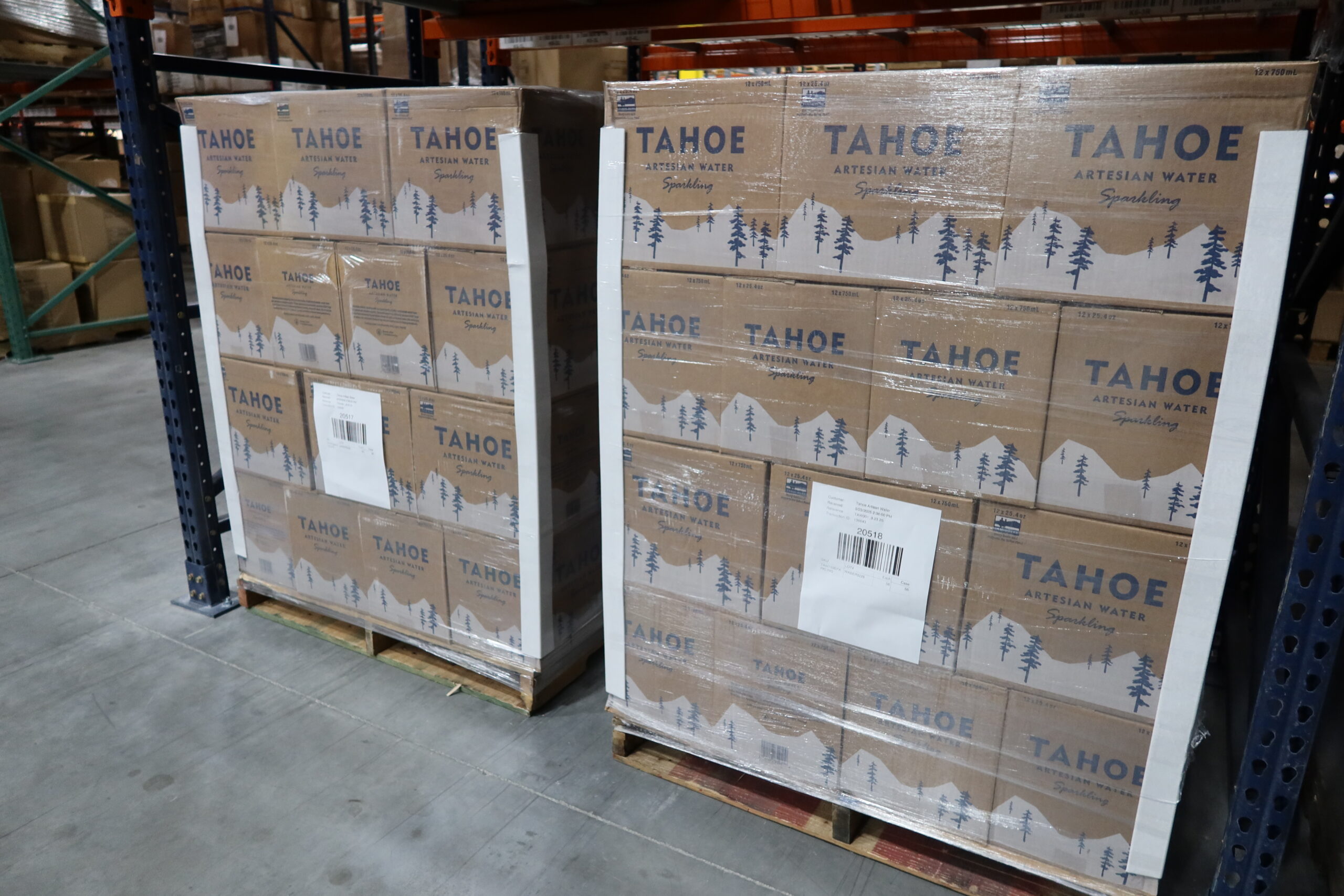
We handle beverage and CPG fulfillment out of our Henderson, Nevada facility in the Las Vegas metro and our Orlando, Florida facility. Both are FDA registered, run FEFO rotation with lot and batch tracking, and ship at each, case and pallet level. That combination is what separates consumable products from general merchandise fulfillment.
Why beverage and CPG is different
Most fulfillment advice assumes a durable product with no expiration date, no regulatory exposure and a forgiving weight-to-value ratio. Consumables break all three assumptions.
Liquid is heavy relative to what it sells for, so freight is a larger share of landed cost than in almost any other category. Product expires, which means inventory has to rotate in the right order rather than whatever is easiest to reach. And it's regulated, so how it's stored, tracked and recalled is not a matter of preference.
A 3PL that treats a pallet of cans like a pallet of t-shirts will be fine right up until a lot needs to be pulled.
What this page covers that our other pages don't
Ecommerce fulfillment covers how orders reach consumers. B2B and wholesale covers how cases reach retailers. This page covers what's true about your product regardless of channel: shelf life, lot traceability, weight, and the packaging configurations consumables ship in. Most beverage and CPG brands need all three.
Our registrations
TCB Global's Las Vegas, NV (FDA Reg. No. 16910886318) and Orlando, FL (FDA Reg. No. 16104984420) facilities are registered with the U.S. Food and Drug Administration. Our operations follow Good Manufacturing Practice (GMP) guidelines across receiving, storage, fulfillment, and inventory management.
We handle sealed and packaged products. We do not handle open or unwrapped products, and we do not manufacture, co-pack or repackage.
What's included
- Inventory control. FEFO and FIFO rotation, with lot and batch tracking, expiration-date capture at receiving, cycle counts, and full lot-level traceability for recall readiness.
- FDA registered facilities. Both warehouses are registered with the FDA and operations follow GMP guidelines.
- Pest control program. Scheduled service every two weeks in both buildings.
- Temperature-controlled storage available. Cold chain handling supported for qualifying programs — contact us to confirm range and lane coverage for your product.
- Allergen segregation. Dedicated allergen segregation for sealed and packaged products, with separate storage zones and documented handling procedures.
- Each, case and pallet picking. The same inventory is picked at whatever level the channel requires.
- Variety pack and multipack assembly. Mixed SKU packs built, labeled and received into inventory as their own sellable unit, so they pick as a single SKU.
- Retail-ready display builds. Shelf-ready trays and pre-packed shippers assembled before shipment.
Who this is for
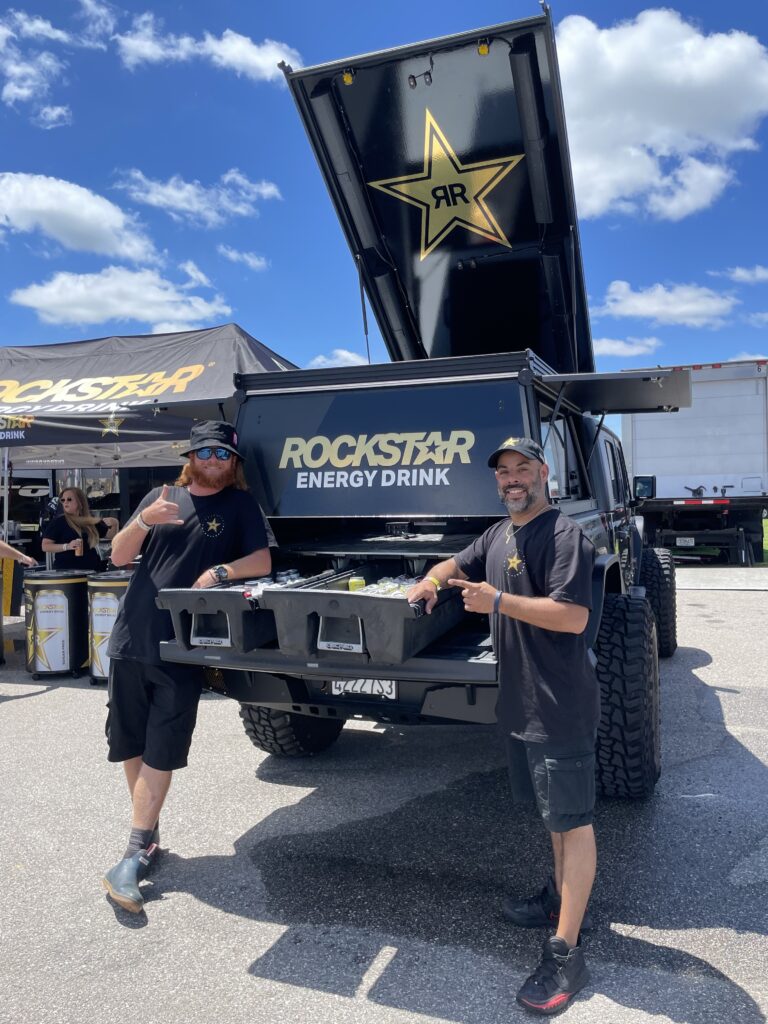
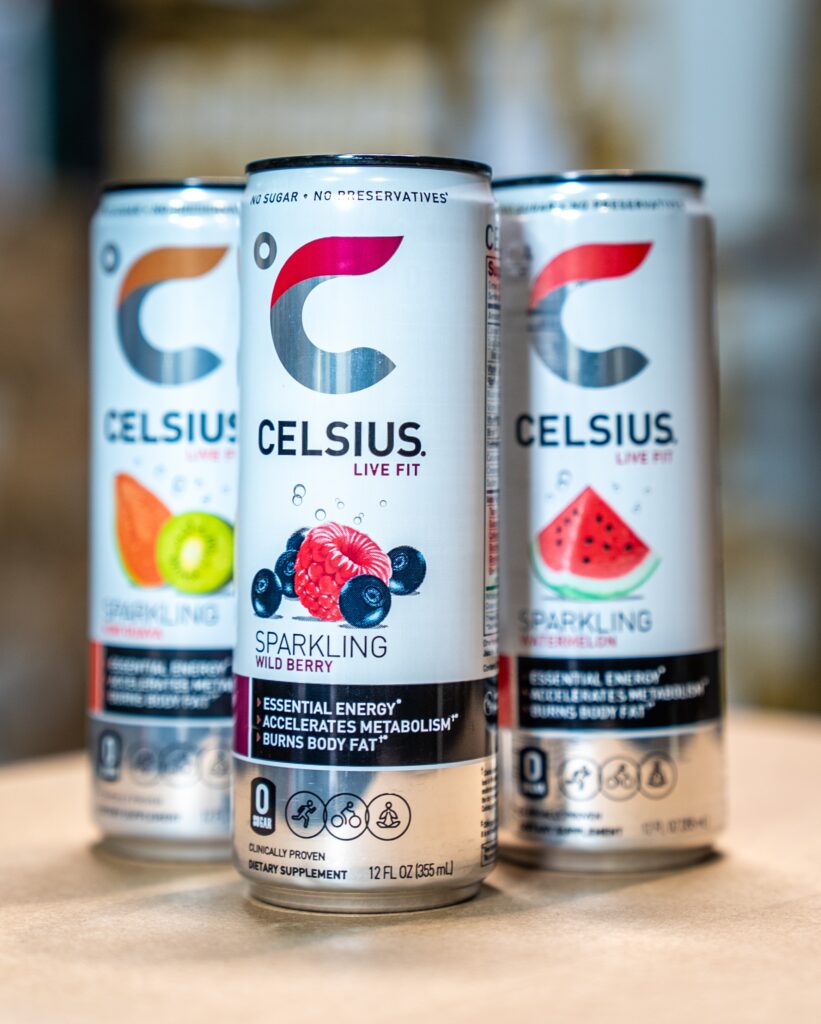
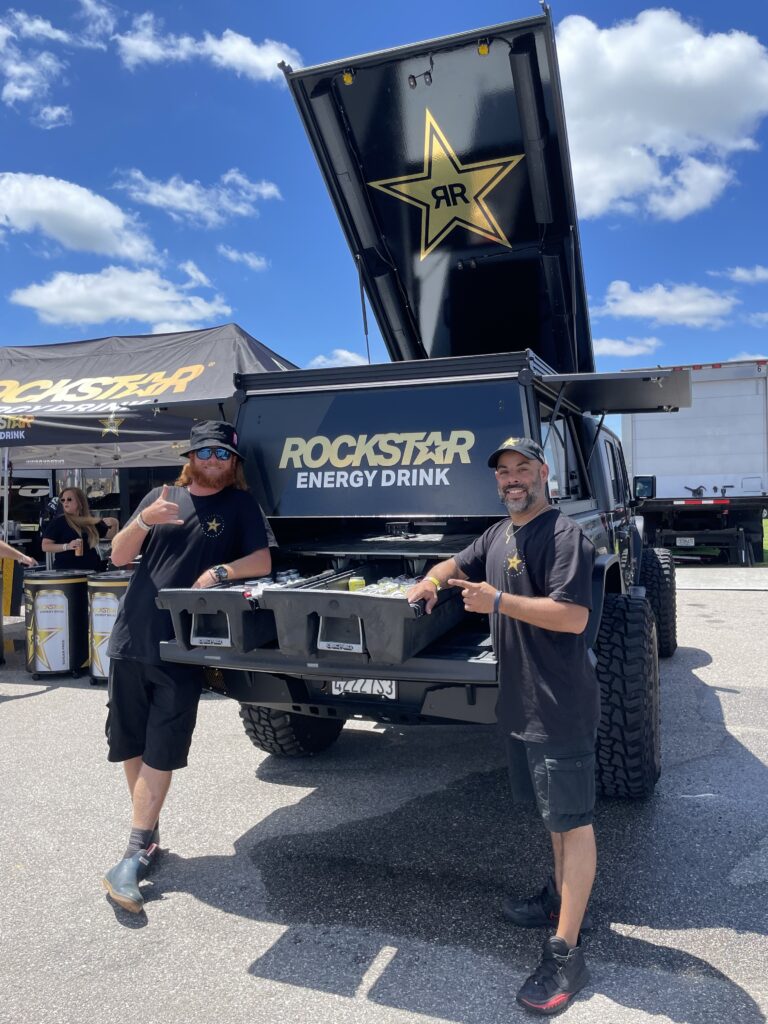
- Beverage brands shipping cans, bottles and multipacks direct to consumers, to retailers, or both.
- CPG and consumable brands with expiration dates, lot codes and recall exposure.
- Brands moving from DTC into wholesale and retail replenishment and running all of it from one inventory pool.
If your product expires, is regulated, and is heavy for what it sells for, it needs a 3PL built around those three facts.
Why beverage and CPG brands work with TCB Global
FEFO rotation by default
First expired, first out means the unit with the earliest expiration date ships first, even if a newer unit is closer to the pick path. FIFO orders by receiving date, which stops matching expiration once you take in runs with different shelf lives or returned stock. For anything consumable, FEFO is the correct default.
Recall readiness at the lot level
Lot and expiration data is captured at receiving and carried through to the order, so a specific production run can be identified and isolated instead of pulling everything.
Freight is the number that moves
For most beverage brands, freight is a bigger lever than pick and pack rates. Shipping from the facility closest to the customer and getting pallet configuration right (how many cases fit and how the pallet is classed) both reduce it. Full truckload economics generally improve at 20 or more pallets.
One inventory pool as you grow
As distribution grows, the constraint shifts to case and pallet flow, retailer routing requirements, and forecasting against production runs with real shelf life. Running DTC, wholesale and retail replenishment off a single inventory pool is what keeps it manageable.
Frequently Asked Questions
Yes. Lot and batch tracking with expiration-date capture happens at receiving and carries through to the order, and picking runs FEFO so the earliest expiring stock ships first. That's what makes a targeted recall possible instead of a full pull.
Yes. Las Vegas, NV is FDA Reg. No. 16910886318 and Orlando, FL is FDA Reg. No. 16104984420. Our operations follow Good Manufacturing Practice (GMP) guidelines across receiving, storage, fulfillment, and inventory management.
Temperature-controlled storage available. Cold chain handling supported for qualifying programs — contact us to confirm range and lane coverage for your product.
Yes. Dedicated allergen segregation for sealed and packaged products, with separate storage zones and documented handling procedures.
Yes, out of our Orlando facility, which is a Florida State Bonded Warehouse licensed by the Florida DBPR Division of Alcoholic Beverages and Tobacco. Our Nevada facility does not handle alcohol, and what we can support depends on your own licensing and the states you ship into.
Usually yes for beverages. Liquid is heavy, so freight is a large share of landed cost, and shipping from the closer facility cuts zones on a significant share of orders.
Let's Get To Work
Discover how we can transform your supply chain into a competitive advantage today