
The True Cost of Freight: Why Shipping Rates Aren't What's Actually Driving Your Margin

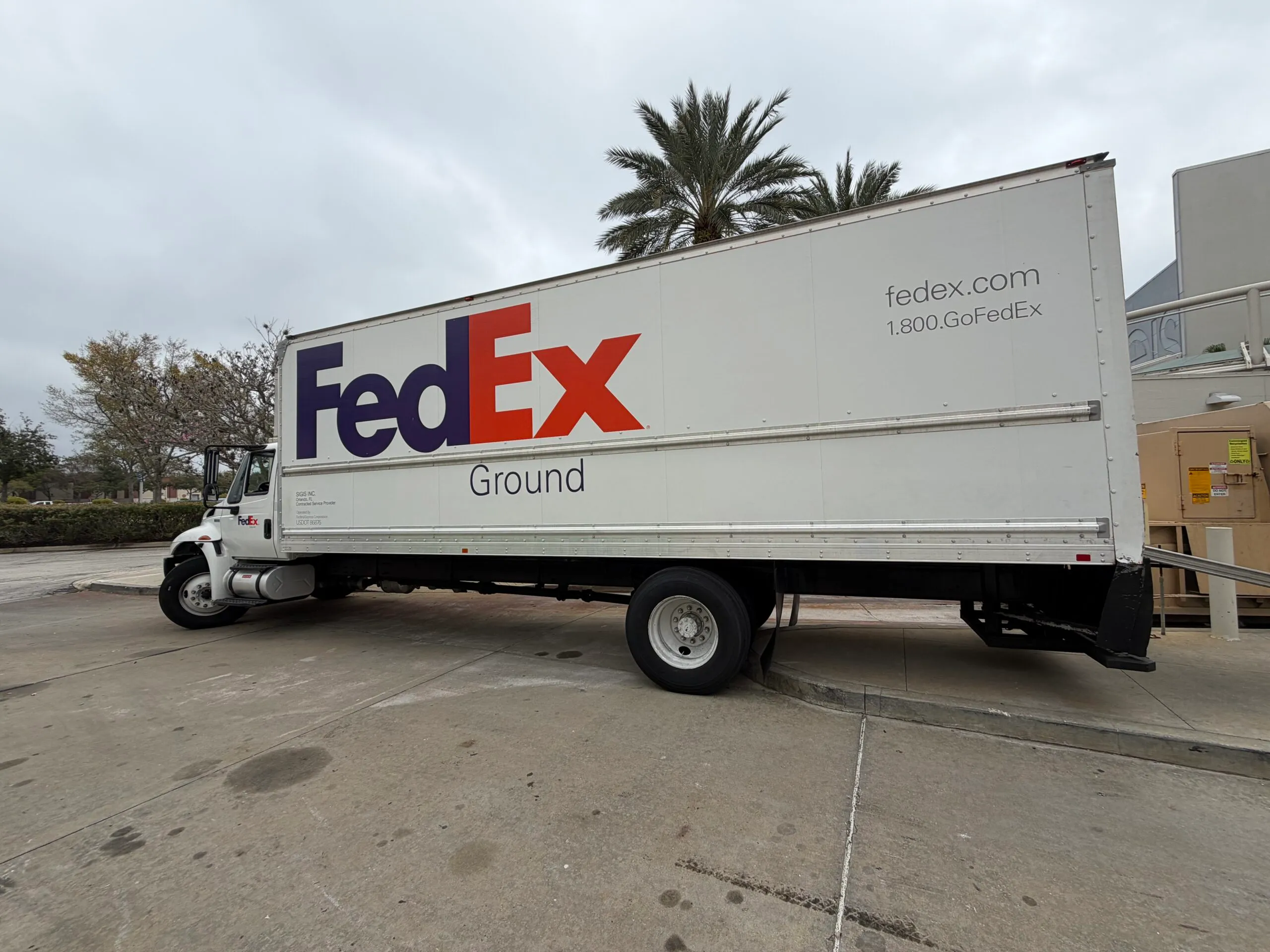
Most brands treat freight as something you negotiate once and then manage passively: get a rate, ship the order, pay the invoice. But for a brand watching margins closely, a familiar pattern emerges. Shipping costs keep climbing, profit per order keeps shrinking, and no amount of rate negotiation seems to stabilize it. That's usually a sign the actual problem isn't the rate at all. It's everything generating the cost behind it.
Why Freight Is a System, Not a Line Item
Freight is the output of several operational decisions working together: where inventory is located determines how far it has to travel, how a warehouse operates determines how efficiently orders move through the building, how packaging is designed determines how carriers price the shipment, and which carriers are used determines both cost and delivery consistency. When these elements are aligned, freight cost is predictable. When they're not, two brands with functionally identical carrier contracts can end up with very different margins, because the contract was never the deciding factor to begin with.
The Hidden Cost Drivers Most Freight Conversations Skip
A rate sheet only shows part of the picture. The following factors typically explain the gap between what a brand expects to pay for shipping and what it actually pays.
Shipping Zones
Carriers price parcel shipments by zone, which is based on the distance between origin and destination, not a flat national rate. A shipment traveling from a single East Coast warehouse to a West Coast customer will land in one of the highest zones a carrier offers, regardless of how favorable the underlying rate card looks. Brands shipping nationally from one location are, by definition, absorbing this zone penalty on a large share of their orders, and it's one of the most common places margin quietly disappears without showing up as an obvious red flag on an invoice.
Expedited Shipping Used as a Patch, Not a Strategy
When inventory isn't positioned close enough to customers, brands often compensate by upgrading shipping speed, paying for two-day or overnight service to hit a delivery expectation that ground shipping, from that location, can't meet. That's a reactive fix, not a deliberate choice, and it's expensive specifically because it's compensating for a positioning problem rather than solving it.
Dimensional Weight
Carriers charge based on the space a package occupies, not just its actual weight. Inefficient packaging (a box larger than the product requires) means paying to ship air, which raises cost per order without adding anything the customer notices or values. This is one of the more fixable cost drivers on this list, since it's entirely within a brand's control once identified.
Order Errors
Every fulfillment mistake carries a freight cost on top of its other costs. An incorrect shipment typically requires a return, a replacement, and a reshipment, meaning the brand pays for freight multiple times on what should have been a single-shipment order. At scale, order accuracy is as much a freight-cost lever as anything on a carrier contract.
Carrier Misalignment
Not every carrier performs equally well in every region, and a one-size-fits-all carrier approach tends to mean overpaying in some areas and underperforming in others. Matching carrier and service level to specific geography and shipment type is a more effective lever than trying to negotiate a single carrier down to a better blanket rate.
Why Renegotiating Rates Rarely Solves the Underlying Problem
Rate negotiation feels like the obvious lever to pull when freight costs rise, and it isn't wrong to pursue. But if the underlying system is inefficient, a better rate just means paying a slightly smaller premium on the same structural problem. A brand shipping too far, too fast, and with too many errors will keep absorbing those costs regardless of what the base rate says, because the rate was never the primary driver to begin with. System design is.
Questions Worth Asking About Your Own Freight System
- What percentage of our orders are shipping into the highest one or two carrier zones, and from which location?
- How often are we using expedited shipping to compensate for inventory that isn't positioned close enough to the customer?
- Has our packaging been reviewed recently for dimensional-weight efficiency, or is it based on a template chosen early on and never revisited?
- What is our actual order-error rate, and how much of our freight spend is going toward correcting mistakes rather than shipping orders once?
- Are we using the same carrier and service level everywhere, regardless of region or shipment type?
How TCB Global Approaches Freight as a System
TCB Global works with brands to address freight cost at the structural level rather than through rate negotiation alone.
- Strategic inventory placement across Orlando, Florida (East Coast and Southeast coverage) and Las Vegas/Henderson, Nevada (West Coast and Mountain region coverage), so orders ship from whichever location is closer to the customer rather than from a single national warehouse.
- Packaging guidance aimed at reducing dimensional weight and wasted space per shipment.
- Fulfillment accuracy processes designed to reduce the order errors that turn into repeat freight spend.
- Carrier strategy aligned to specific regions and shipment types rather than a single blanket carrier relationship.
What Changes as Order Volume and Geographic Reach Grow
As a brand's order volume and geographic footprint expand, the cost of an unoptimized freight system scales right along with it. A zone penalty or a packaging inefficiency that was a minor cost at low volume becomes a much larger one at higher volume, simply because it's being repeated across more orders. This is why it's worth revisiting freight system design periodically as volume grows, rather than assuming a setup that worked at an earlier stage will continue to scale efficiently without another look. Brands entering new regions, adding new SKUs with different packaging needs, or approaching a new carrier-rate renewal are all natural checkpoints to reassess whether the underlying system, not just the rate, still fits.
What a Well-Designed Freight System Looks Like in Practice
When the underlying system is addressed rather than just the rate, the improvement tends to show up across several metrics at once: shipping costs decrease because fewer orders are hitting high zones or requiring expedited service, margins stabilize because freight spend becomes more predictable, delivery times improve because inventory sits closer to demand, and the operations team spends less time reacting to freight problems and more time supporting growth.
FAQs
What actually makes up the true cost of freight, beyond the carrier rate?
Shipping zone distance, dimensional weight and packaging efficiency, order accuracy, inventory placement, and carrier-to-region alignment all contribute. The invoice rate is only one input among several.
Why do freight costs keep rising even after negotiating a better rate?
Because a better rate doesn't fix an inefficient underlying system. A brand shipping too far, too often expedited, or with too many order errors will keep absorbing those costs regardless of the base rate.
Does warehouse location really affect freight cost that much?
Yes. Shipping zone is one of the largest cost drivers in parcel freight, and it's determined directly by the distance between the warehouse and the customer.
How does packaging affect freight cost?
Carriers price by dimensional weight, meaning oversized packaging increases cost per shipment even when the actual product weight hasn't changed.
How does TCB Global help brands reduce freight costs?
By addressing the structural drivers directly (strategic inventory placement across Orlando and Las Vegas, packaging guidance, fulfillment accuracy, and region-specific carrier strategy) rather than through rate negotiation alone.
When should a brand revisit its freight system rather than just its carrier rate?
When entering new regions, adding SKUs with different packaging needs, approaching a carrier-rate renewal, or noticing shipping costs rising faster than order volume.
If your freight costs are rising faster than your order volume, contact TCB Global to review your current shipping-zone and packaging data and identify where the cost is actually coming from.
Want to learn more?
Heading 1
Heading 2
Heading 3
Heading 4
Heading 5
Heading 6
Lorem ipsum dolor sit amet, consectetur adipiscing elit, sed do eiusmod tempor incididunt ut labore et dolore magna aliqua. Ut enim ad minim veniam, quis nostrud exercitation ullamco laboris nisi ut aliquip ex ea commodo consequat. Duis aute irure dolor in reprehenderit in voluptate velit esse cillum dolore eu fugiat nulla pariatur.
Block quote
Ordered list
- Item 1
- Item 2
- Item 3
Unordered list
- Item A
- Item B
- Item C
Bold text
Emphasis
Superscript
Subscript
New Post:
Case Study

How F*ck Cancer Runs a Seven-Festival Tour Without a Logistics Team
F*ck Cancer brings cancer awareness to major music festivals through an activation tent. Their team sets it up and tears it down. Since 2024 we've handled everything behind that: routing, freight, delivery, pickup and storage between shows across seven festivals.
Read More