
Trade Show Logistics: The End-to-End Checklist That Prevents Costly Mistakes

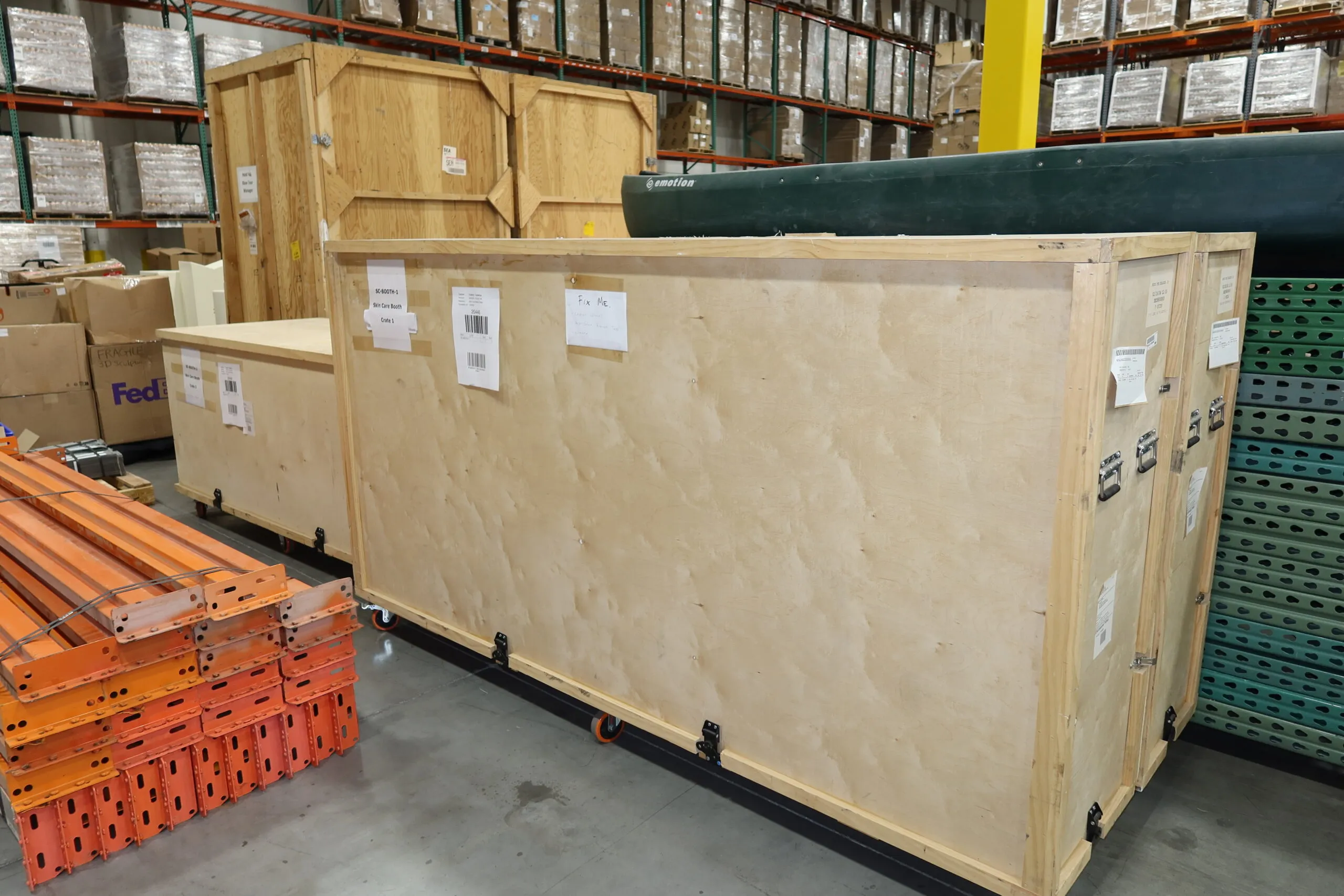
Trade shows look glamorous from the outside: big booths, branded displays, packed crowds. What most people don't see is the controlled chaos behind the scenes that makes that presentation possible. Miss one deadline, ship to the wrong location, or forget one critical piece, and an entire event presence can start falling apart before the doors even open.
Trade show logistics isn't really about shipping. It's about execution under a fixed, unmovable deadline. A show opens on its scheduled date whether a booth arrived or not, which makes this category of logistics less forgiving than most other shipping scenarios.
Why Trade Show Logistics Fails More Often Than It Should
Most brands that have a bad trade show experience didn't fail because they didn't plan. They failed because they didn't plan deep enough. Trade show logistics involves several distinct moving pieces that all have to align: advance warehouse deadlines, carrier coordination, material handling (drayage) at the venue, booth installation timelines, and return shipping after the show ends. Missing any one of these tends to cascade into the others, since each step depends on the one before it landing on time.
The Seven-Step Trade Show Logistics Checklist
1. Pre-Show Planning
Lock in booth requirements, timelines, and materials early, and confirm the specific details that determine everything downstream: venue dates, dock hours, and advance warehouse deadlines. A comprehensive show manifest and master inventory list at this stage prevents the scramble of figuring out what's actually being shipped once deadlines are already close.
2. Advance Warehouse vs. Direct-to-Show Shipping
Choose between shipping to an advance warehouse ahead of the show or sending materials direct-to-show, based on risk tolerance and timing. Advance warehouse shipping generally builds in more buffer against delays, since materials arrive before the tight, event-specific receiving window opens; direct-to-show can work when timing is reliable but carries less margin for error if anything slips.
3. Packaging and Labeling
Protect materials with durable crates and foam inserts suited to what's actually being shipped, and label each box clearly with exhibitor name, booth number, and contents. Digital bills of lading and tracking data help avoid the kind of show-floor delays that come from staff not being able to quickly identify which box holds what.
4. Shipping and Carrier Coordination
Book freight early, ideally four to six weeks out, to secure carrier capacity and align with advance warehouse cutoffs, since trade show freight windows tend to compress as the event date approaches. For brands running a multi-show tour, consolidating shipments between events through zone-skipping style freight coordination can meaningfully cut transportation cost compared to shipping each leg individually.
5. On-Site Coordination and Drayage
Manage drayage (moving materials from the dock to the actual booth), labor, and setup timelines as their own coordinated step, not an afterthought once materials arrive. Inbound check-ins, staging, and direct delivery to the booth, backed by real-time tracking, are what actually ensure materials arrive on schedule and in the condition they left in.
6. During the Show
Maintain inventory awareness throughout the event (knowing what's on-site, what's been used or given away, and what needs to be available for the remaining show days) along with a contingency plan for anything that goes missing or gets damaged mid-show, since there's rarely time to source a replacement once the floor is open.
7. Dismantle and Return Shipping
Pre-arrange the return carrier and outbound logistics before the show even starts, rather than scrambling once it ends. Post-show pickup and return shipping to a regional warehouse for storage until the next event is far smoother when it's planned in advance rather than negotiated on the show floor during teardown.
Why Orlando and Las Vegas Specifically Matter for Trade Show Logistics
Orlando and Las Vegas are both high-demand trade show and convention markets with tight timelines and little room for error. Venues in both cities host a high volume of back-to-back events, which means dock scheduling, drayage capacity, and advance warehouse space can all be more contested than in a lower-volume market. A logistics partner with an actual presence in both cities, rather than shipping in from elsewhere, has a structural advantage in meeting the tight windows these markets create.
Questions to Ask a Logistics Partner Before Your Next Trade Show
- How far in advance does freight need to be booked to secure capacity for this specific show and market?
- Does the advance warehouse deadline for this venue actually fit our production and shipping timeline?
- What happens if a shipment is delayed? Is there a contingency plan for getting materials to the booth in time?
- Can shipments across a multi-show tour be consolidated to reduce transportation cost?
- Where will materials be stored between events, and how is that inventory tracked?
How TCB Global Supports Trade Show Logistics
TCB Global simplifies trade show logistics end-to-end so a brand's team can focus on the show itself rather than shipping logistics. With centers in Orlando and Las Vegas, TCB Global helps clients prepare comprehensive show manifests and inventory lists, manages both long-haul and last-mile shipments for Orlando and Las Vegas conventions specifically, consolidates multi-show tour shipments to reduce freight cost, handles inbound check-ins and direct-to-booth delivery with real-time tracking, and manages post-show pickup, return shipping, and regional storage for the next event.
What Changes as a Brand Runs More Shows Per Year
The value of a coordinated, pre-planned logistics process increases with the number of shows a brand runs annually. A single-event mistake is a bad day, but the same recurring gap across a full show calendar compounds into a real cost in rush freight, damaged materials, and staff time spent firefighting rather than working the floor. Brands running a heavier show schedule specifically benefit from consolidated multi-show freight coordination and regional storage, since both reduce cost and complexity that scale directly with event frequency.
FAQs
How early should I book trade show logistics?
Four to six weeks in advance, to secure carrier capacity and align with advance warehouse cutoffs for the specific venue.
What's included in end-to-end trade show logistics support?
Pre-show planning and manifests, packaging and labeling, freight and carrier coordination, on-site drayage and booth delivery, and post-show return shipping and storage.
Can a logistics partner store our booth and materials between events?
Yes, provided they operate regional warehouses. TCB Global stores booth materials at its Orlando and Las Vegas facilities, with inventory tracking for all stored assets.
Does consolidating shipments across a multi-show tour actually save money?
It can. Combining shipments between events into consolidated freight, similar to zone-skipping logistics, typically reduces transportation cost compared to shipping each leg of the tour individually.
What is drayage in the context of a trade show?
The movement of materials from the venue's loading dock to the actual booth location, including staging and setup coordination. It's a distinct step from the freight shipment that gets materials to the venue in the first place.
If your next trade show needs logistics handled door to booth to return, contact TCB Global to build the timeline before deadlines start closing in.
Want to learn more?
Learn how TCB can help you and your tradeshow succeed! (click here)
Heading 1
Heading 2
Heading 3
Heading 4
Heading 5
Heading 6
Lorem ipsum dolor sit amet, consectetur adipiscing elit, sed do eiusmod tempor incididunt ut labore et dolore magna aliqua. Ut enim ad minim veniam, quis nostrud exercitation ullamco laboris nisi ut aliquip ex ea commodo consequat. Duis aute irure dolor in reprehenderit in voluptate velit esse cillum dolore eu fugiat nulla pariatur.
Block quote
Ordered list
- Item 1
- Item 2
- Item 3
Unordered list
- Item A
- Item B
- Item C
Bold text
Emphasis
Superscript
Subscript
New Post:
Case Study

How F*ck Cancer Runs a Seven-Festival Tour Without a Logistics Team
F*ck Cancer brings cancer awareness to major music festivals through an activation tent. Their team sets it up and tears it down. Since 2024 we've handled everything behind that: routing, freight, delivery, pickup and storage between shows across seven festivals.
Read More