
Shelf Life Starts at the Factory: Sopreme's US Market Entry Case Study

Summary
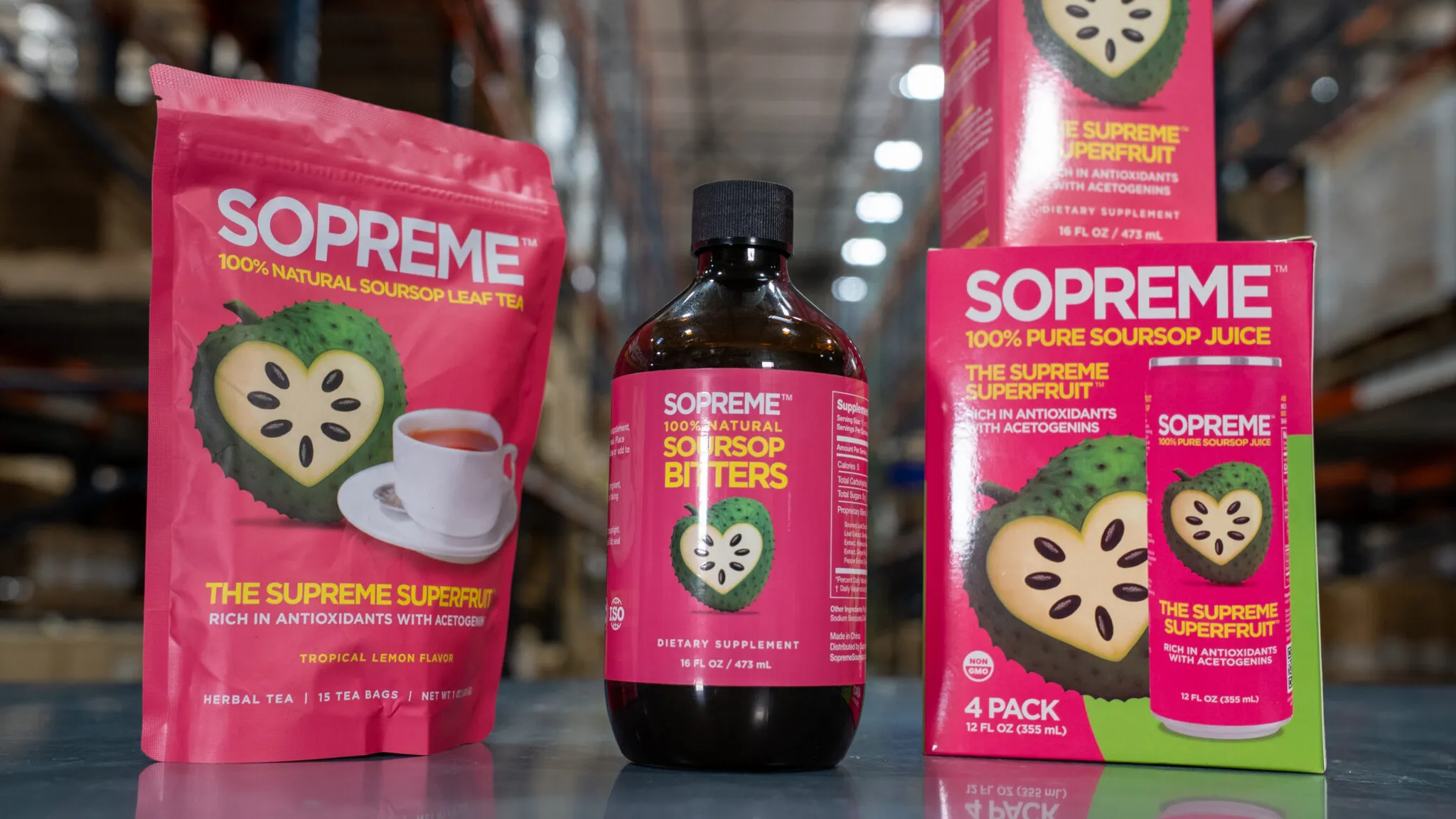
Sopreme manufactures overseas and needed to enter the US market fast, with containers already moving and retailer interest building. For an imported beverage, every day spent in transit, customs or a warehouse is a day removed from the shelf life you actually get to sell.
The situation
Most beverage brands grow regionally first and let the supply chain develop alongside demand. Sopreme didn't have that option: production was overseas, product was already on the water, and US retailer interest was building before the logistics existed to serve it.
Importing a beverage means clearing a series of checkpoints before inventory can be sold at all:
Ocean freight coordination, customs documentation, FDA requirements for imported food and beverage, port clearance, warehouse receiving, inventory staging, then fulfillment to two different channels.
Any one of those stalling stalls everything behind it. And because the stages are usually handled by different providers (a freight forwarder, a customs broker, a warehouse), nobody holds the whole picture, so problems surface late.
The risk isn't just delay. It's what delay costs on a dated product.
What we did
Coordinated the import leg end to end. Freight forwarding and customs documentation coordinated together, with the paperwork accurate before it was needed rather than corrected at the port.
Built structured inbound receiving. Containers unloaded with verification, recording, inspection where appropriate, and staging for immediate fulfillment. Imported inventory that sits unreceived is inventory losing shelf life for no reason.
Set up both channels at once. DTC fulfillment and retail distribution running from one coordinated operation with channel-specific workflows, so a retail pilot and ecommerce orders don't compete for the same stock.
Designed the whole flow around speed. Production to ocean freight to customs to warehouse to customer, with idle time removed at each handoff rather than optimized within each stage separately.
Results
Shipments moved through customs with fewer interruptions, through coordinated documentation prepared ahead of arrival.
Inventory available faster after arrival, with standardized receiving replacing ad hoc unloading.
Consistent fulfillment across DTC and retail from one operation.
Retail pilots supported on schedule, which is what determines whether a pilot becomes a program.
Visibility across the whole import chain, so problems were anticipated rather than discovered.
Why this one matters
Shelf life starts at production, not at arrival.
An imported beverage might spend three to six weeks between the factory and a US warehouse. Every day of that is already gone from the selling window, and every additional day (a customs hold, a container sitting unreceived, inventory staged but not entered) comes off the end.
That's why speed-to-market on imported consumables isn't about being first to shelf. It's about how much sellable life remains when you get there. A brand that loses two weeks to avoidable delays has permanently reduced what it can sell from that production run.
The fix is coordination rather than speed at any single stage. Most delays happen at the handoffs between providers, not inside them.
Questions this raises
What's required to import beverages into the US? Customs documentation, compliance with applicable FDA requirements for imported food and beverage, coordinated freight forwarding, warehouse receiving, and a fulfillment plan for after arrival. The documentation has to be right before the shipment arrives.
Why do imported beverage shipments get delayed? Usually incomplete or inaccurate documentation, or poor coordination between the freight forwarder, the import side and the warehouse. Most delays happen at handoffs.
How do you protect shelf life on imported products? By removing idle time. Expiration dates are captured at receiving and picking runs FEFO, but the bigger lever is not losing weeks between arrival and availability.
Can you receive containers and fulfill from the same facility? Yes. Container receiving, verification, staging and fulfillment happen in the same operation, which removes a transfer and the delay that comes with it.
Can DTC and retail launch at the same time? Yes, with separate workflows drawing from one inventory pool. Launching both simultaneously is common for imported brands because the retailer interest and the consumer demand arrive together.
Want to learn more?
TCB can support your beverage fulfillment. Read more about it here!
New Post:
Blog

Why Warehouse Location Is a Margin Decision for Beverage Brands
Warehouse location plays a critical and frequently underestimated role in beverage logistics. Unlike lightweight consumer goods, beverages are heavy, typically palletized, and shipped in high volume, which means distance has an outsized effect on freight cost, delivery speed, product integrity, and retailer compliance.
Read More