
130 Pallets, Zero Missed Orders: Roll Recovery's Emergency Warehouse Move

Summary
Roll Recovery's warehouse was sold out from under them. 130 pallets had to move, a new system had to come online, and orders had to keep shipping the entire time. They moved into our Las Vegas facility and customers never saw a gap.
The situation
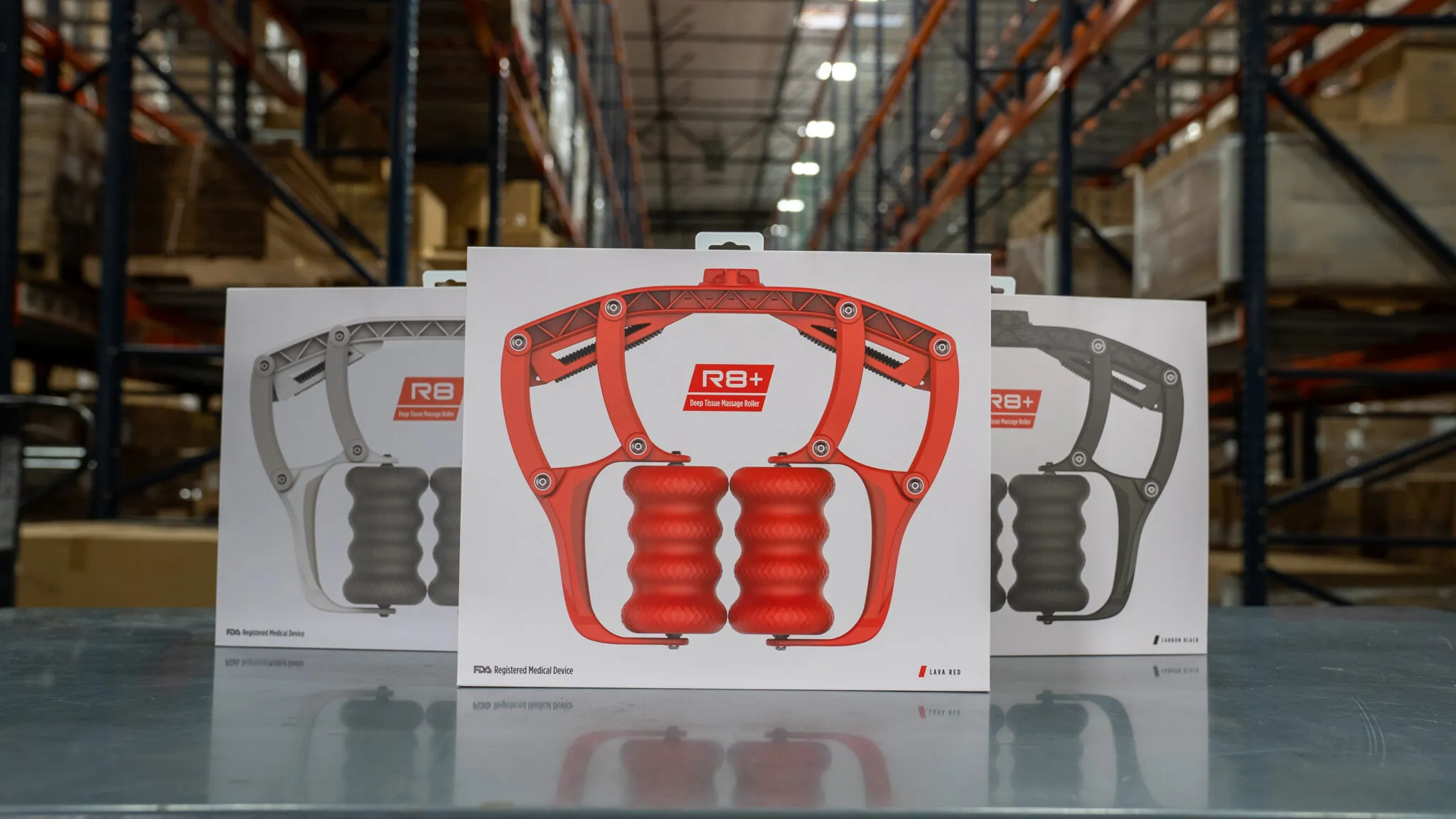
Roll Recovery makes fitness recovery products: rollers, recovery tools, footwear and posture products. They source internationally and ship direct to consumers across the US.
They weren't shopping for a 3PL. Their warehouse sold, which gave them a hard deadline to move 130 pallets of inventory, stand up a new fulfillment operation, and integrate Shopify, all without pausing shipments. There was no phased migration and no pilot period.
The warehouse sale forced the timing, but it wasn't the underlying problem. Self-fulfillment had already started to strain: inventory visibility was thin, SKU count was growing, and orders were defaulting to one carrier regardless of size.
What we did
Received and validated 130 pallets. Every SKU was physically counted, verified against its label and description, and reconciled before anything shipped. Inventory accuracy was established first rather than assumed.
Corrected the SKU data during intake. We found and fixed SKU inconsistencies and missing UPC assignments while the product was being received. Those errors would have surfaced later as picking mistakes.
Integrated Shopify. Orders flowed into the warehouse system automatically, with inventory syncing back, which removed manual order entry from the process.
Routed shipping by product. Small items went to cost-efficient parcel carriers. Larger and heavier items went to carriers that handle oversized shipments properly rather than surcharging them.
Kept shipping throughout. Orders went out every day of the transition. That was treated as a requirement, not a goal.
Results
Zero interruption to customer orders across the entire 130-pallet relocation and system cutover.
Inventory accuracy established at intake rather than discovered later, with SKU and UPC data corrected before the first pick.
Lower shipping cost through carrier selection by product size instead of a single default method.
Returns handled in-house. Roll Recovery runs under 2 percent returns on hard goods and roughly 15 percent on footwear, with QC and disposition managed at our facility.
Why this one matters
Most brands move to a 3PL on their own schedule, with time to plan. Roll Recovery didn't get that, which is exactly why the story is useful. The question a prospect is really asking when they read this is whether a transition can happen under pressure without customers noticing.
It can, if inventory validation happens before fulfillment restarts rather than after.
Questions this raises
How fast can a 3PL transition actually happen? Onboarding usually takes one to two weeks, and it can move faster when the situation calls for it. What sets the real timeline is how fast your inventory arrives, how clean it comes in, and whether onboarding steps get completed in that window.
What happens to orders during the move? They keep shipping. Inventory is received and validated in stages so product becomes available as it clears rather than waiting for the full relocation to finish.
Why does SKU validation matter during onboarding? Because errors carried in at intake become picking errors later. Correcting SKU and UPC data while the product is being received costs hours. Finding it through customer complaints costs more.
Want to learn more?
Read about how TCB can help your brand in an emergency warehouse move!
New Post:
Blog

Why Warehouse Location Is a Margin Decision for Beverage Brands
Warehouse location plays a critical and frequently underestimated role in beverage logistics. Unlike lightweight consumer goods, beverages are heavy, typically palletized, and shipped in high volume, which means distance has an outsized effect on freight cost, delivery speed, product integrity, and retailer compliance.
Read More