
Lot Tracking and Delivery Windows for a Homeopathic Brand: Blue Scorpion Case Study

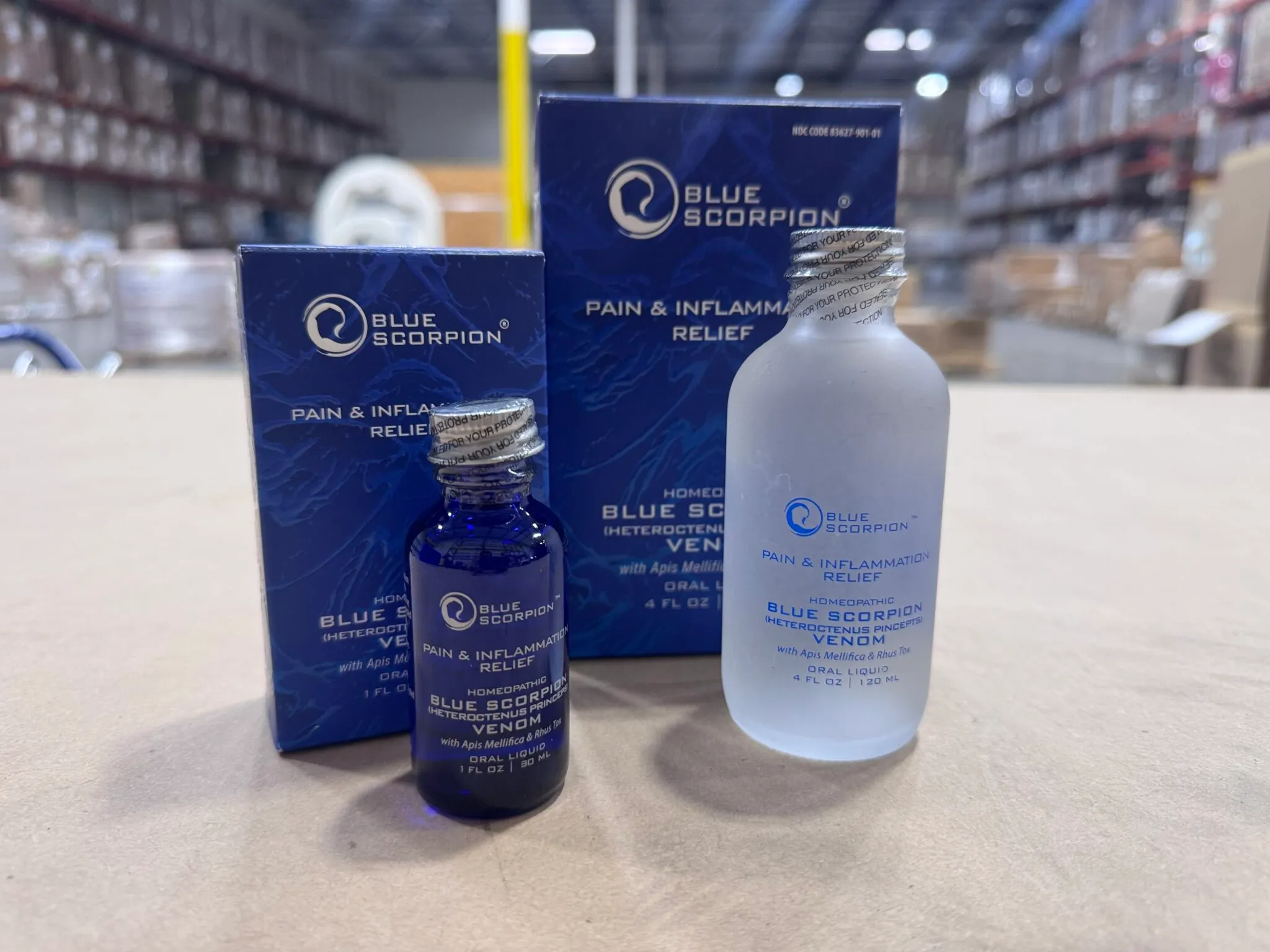
Summary
Blue Scorpion distributes a homeopathic pain and inflammation product to clinics, wellness practitioners and consumers. Manual fulfillment and unoptimized carrier selection were costing money and risking delivery windows. Lot and expiration capture at receiving plus a rebuilt shipping strategy fixed both.
The situation
Blue Scorpion sells a homeopathic remedy into three audiences at once: clinics, wellness practitioners and direct consumers. Each has different expectations about when a shipment arrives, and practitioners in particular schedule around it.
As demand grew, the operation underneath it didn't keep up.
Fulfillment was manual. Labor-intensive processes meant slower turnaround, more room for error, and limited visibility into what inventory was actually where.
Shipping cost was unmanaged. No optimized carrier strategy, so freight spend climbed as volume did and eroded margin on every order.
Delivery timing mattered more than for consumer goods. A practitioner ordering for scheduled appointments isn't flexible about arrival dates in the way a retail customer is.
Traceability needed to be real. For any product in this category, being able to identify which units came from which production run isn't optional. It has to be captured at receiving or it doesn't exist.
What we did
Rebuilt the shipping strategy. Reviewed lanes, carrier options and service levels, then matched service level to what each shipment actually required rather than defaulting everything to one method. Cost came down without loosening delivery reliability.
Replaced manual fulfillment with standardized workflows. Consistent picking, packing and processing, which is what makes turnaround predictable and cuts error rates.
Captured lot and expiration data at receiving. Every unit recorded with its lot and expiration at intake, tracked through to the order, with FEFO picking so earliest-expiring stock ships first. That's what supports full lot-level traceability and a targeted recall if one is ever needed.
Gave them real-time inventory visibility, so availability and movement are known rather than reconstructed.
Built for volume growth without the operation needing to be rebuilt at the next stage.
Results
Lower freight spend with more predictable shipping cost.
Faster, more consistent order turnaround from standardized workflows replacing manual processes.
Improved on-time delivery across all three channels, which matters most for practitioners scheduling around arrivals.
Full lot-level traceability, with every unit traceable to its production run.
Capacity to expand distribution without adding internal operational load.
Why this one matters
Products in the health and wellness category carry a traceability requirement that most consumer goods don't, and the requirement is decided at receiving rather than when something goes wrong.
If lot and expiration data isn't captured as product arrives, it can't be reconstructed afterward. A brand in that position facing a quality question has one option: pull everything, because it can't prove which units came from which run. A brand with lot-level records isolates the affected lot and keeps selling the rest.
The other piece is delivery windows. Selling to practitioners and clinics is different from selling to consumers: they order against a schedule, and a late shipment is a rescheduled appointment rather than a mild inconvenience.
Questions this raises
Do you track lot numbers and expiration dates? Yes. Lot, batch and expiration data is captured at receiving and carried through to the order, with FEFO picking so the earliest expiring stock ships first.
Are your facilities FDA registered? Yes. Las Vegas, NV is FDA Reg. No. 16910886318 and Orlando, FL is FDA Reg. No. 16104984420. Our operations follow Good Manufacturing Practice (GMP) guidelines across receiving, storage, fulfillment, and inventory management.
Can you ship to clinics and practitioners as well as consumers? Yes. The channels have different delivery expectations, and practitioner orders in particular are scheduled around, so they're handled with that timing in mind.
What happens if a production run has a problem? Lot-level records identify which units from that run shipped and what remains in stock, so the affected lot can be isolated rather than pulling all inventory.
What products fall outside your scope? We don't handle peptides, biologics, controlled substances or prescription pharmaceuticals. We work with sealed and packaged product, and we don't manufacture, co-pack or repackage.
Want to learn more?
New Post:
Blog

Why Warehouse Location Is a Margin Decision for Beverage Brands
Warehouse location plays a critical and frequently underestimated role in beverage logistics. Unlike lightweight consumer goods, beverages are heavy, typically palletized, and shipped in high volume, which means distance has an outsized effect on freight cost, delivery speed, product integrity, and retailer compliance.
Read More