
How Fast-Growing Energy Drink Brands Scale Logistics With an Energy Drink 3PL

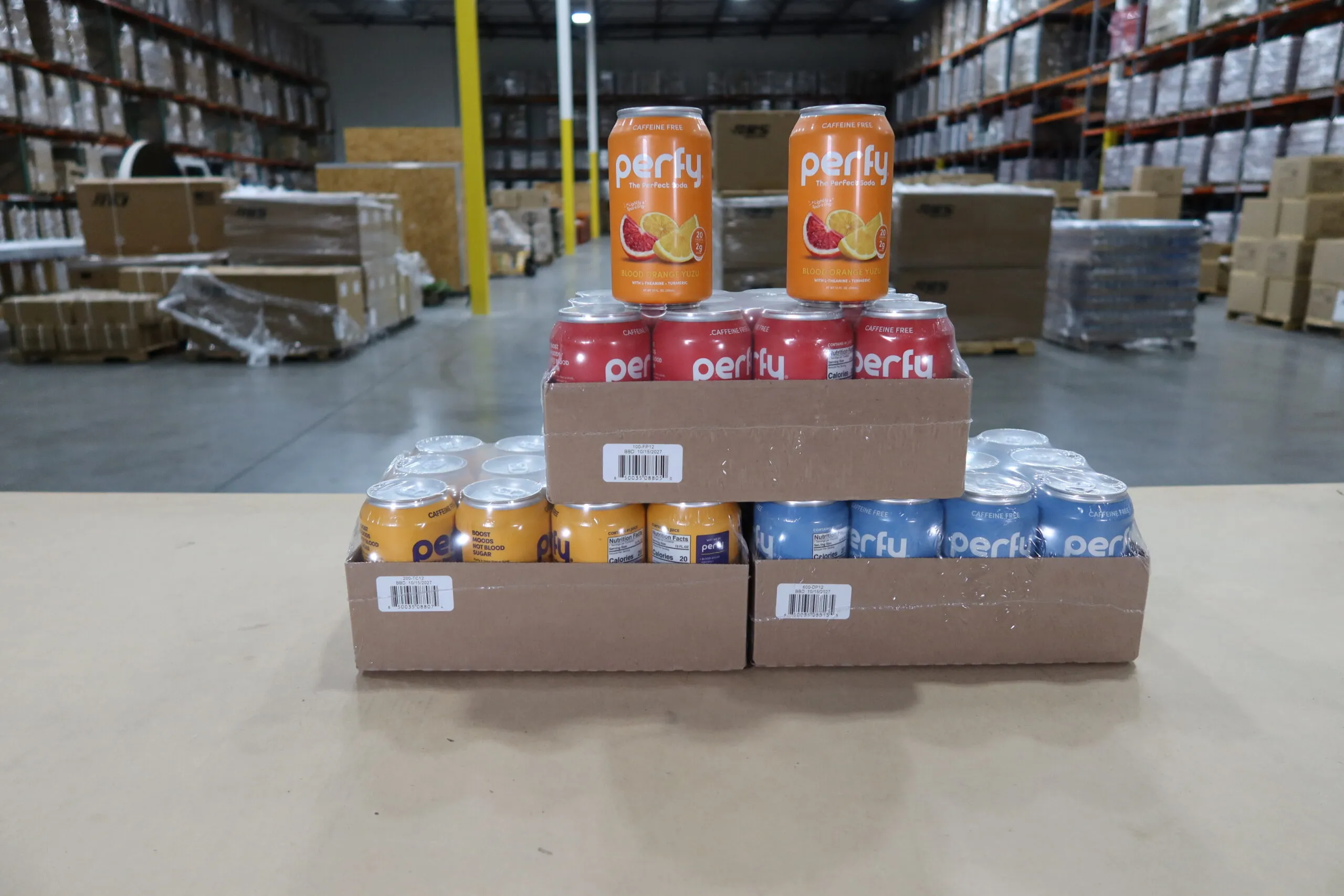
Fast-growing energy drink brands move at an aggressive pace. New retail partnerships, expanding ecommerce demand, and promotional launches can all drive rapid spikes in order volume within a short window. Without the right infrastructure in place, energy drink logistics can quickly become a growth constraint instead of the competitive advantage it should be.
This is why many scaling brands turn to an experienced energy drink 3PL. A logistics partner with real beverage expertise lets an energy drink company expand distribution, control costs, and maintain service reliability without building internal logistics operations from scratch, a build-out that's expensive and slow at exactly the moment speed matters most.
Why Energy Drink Logistics Require a Specialized 3PL
Energy drink logistics are more complex than general fulfillment. Canned and bottled beverages are heavy, palletized, and typically shipped in high volume, which means the warehouse infrastructure handling them needs to be built for dense storage, precise inventory control, and efficient outbound shipping, not adapted from a process designed for lighter, less dense products.
As an energy drink brand grows, logistics complexity increases on several fronts simultaneously: higher order volume and more frequent shipments, expanding regional and national distribution, retail compliance requirements and delivery windows, and mounting pressure to control freight and storage costs. Managing all of this in-house typically requires major investment in warehouse space, labor, and carrier contracts. That investment is hard to justify, and hard to move quickly on, while a brand is still in a fast-growth phase. Partnering with a specialized 3PL provides immediate access to systems and expertise already built for beverage distribution, rather than requiring that infrastructure to be built from zero under time pressure.
How an Energy Drink 3PL Actually Supports Scalable Growth
An experienced energy drink 3PL provides more than storage and shipping. It delivers scalability specifically, meaning a brand can rely on logistics systems built to absorb volume fluctuations and geographic expansion rather than reacting to growth after the fact.
That typically means a dedicated fulfillment center model integrating warehousing, inventory management, and order processing into one coordinated operation, plus purpose-built handling for palletized storage, lot tracking, and optimized freight execution. That's the specific combination that keeps energy drink product moving efficiently through the supply chain while maintaining quality and retail compliance.
Three Things to Look for When Scaling Energy Drink Logistics With a 3PL
1. A 3PL Actually Built for Beverage Weight and Density
Not every 3PL is equipped for the weight and density of energy drinks specifically. Look for pallet racking, heavy-load handling capability, and real experience managing liquid freight at scale. This reduces unnecessary product handling, lowers damage rates, and improves outbound efficiency in a way that a generalist fulfillment operation built around lighter goods typically can't match.
2. Strategic Warehouse Location to Control Freight Cost
Warehouse location has a direct, measurable effect on shipping cost and transit time for a heavy, palletized product category like this one. Energy drink brands shipping nationwide benefit specifically from a 3PL with strategically positioned facilities that reduce shipping zones rather than funneling every shipment through a single distant point.
3. Scalability Built in Before Demand Peaks, Not After
The best time to prepare for a demand spike is before it happens. A 3PL built for scale can absorb promotional pushes, retail expansion, and seasonal demand without a brand having to scramble for additional space or labor mid-surge. Partnering early, while volume is still manageable, tends to be far less disruptive than trying to onboard a new logistics partner during an active growth spike.
Why Energy Drinks Are a Freight-Heavy Business
A single pallet of canned energy drinks can weigh in the range of 2,000 pounds or more, depending on can size and pallet configuration. As brands scale, even minor inefficiencies in storage or shipping compound quickly across that kind of weight and volume, which is why energy drink logistics benefit from specialized planning and infrastructure from day one rather than retrofitting a lighter-goods process later.
When Should an Energy Drink Brand Actually Work With a 3PL?
Many energy drink brands delay bringing in a 3PL until logistics issues start visibly affecting customers or retailers. Common signals that it's time include rising freight costs without a clear explanation, limited warehouse capacity, inventory visibility gaps, or expansion into new regions the current setup wasn't built to serve. A specialized partner can stabilize these operations, which frees internal teams to focus on sales, marketing, and product development instead of firefighting logistics.
Questions to Ask Before Choosing an Energy Drink 3PL
- Does this 3PL have actual experience with palletized, high-volume beverage freight, or general fulfillment experience applied to our category?
- What specific warehouse infrastructure (racking, heavy-load handling) is in place for dense, heavy products?
- How does the provider's facility location affect our specific shipping zones and freight cost?
- What retail compliance experience does the provider have with the specific retailers we're shipping into?
- Can the provider demonstrate a plan for absorbing a promotional or seasonal demand spike, not just steady-state volume?
How TCB Global Supports Energy Drink Logistics
TCB Global supports energy drink logistics through a dedicated fulfillment center model that integrates warehousing, inventory management, and order processing into a single, coordinated operation across its Orlando, Florida and Las Vegas/Henderson, Nevada facilities. This includes purpose-built handling for palletized storage, lot tracking, and freight execution suited to beverage weight and density specifically.
TCB Global's Orlando location supports faster delivery throughout the Southeast while reducing shipping zones and freight spend for brands shipping into that region, and the dual-location structure with Las Vegas extends that same zone advantage to Western and Central markets.
What Changes as an Energy Drink Brand's Volume and Reach Grow
The operational demands described throughout this piece don't stay flat as a brand scales. More retail accounts mean more distinct compliance requirements, higher volume means the cost of any storage or handling inefficiency compounds faster, and broader geographic reach means shipping-zone exposure becomes a bigger factor in overall margin. It's worth revisiting warehouse capacity, freight strategy, and retail compliance processes specifically at each major growth stage, rather than assuming the setup that worked at an earlier volume will continue to hold up without adjustment.
FAQs
Why do energy drink brands need a specialized 3PL rather than a general fulfillment provider?
Because canned and bottled energy drinks are heavy, palletized, and shipped in high volume. Handling this efficiently requires warehouse infrastructure (racking, heavy-load handling) and freight expertise that a generalist 3PL built around lighter goods typically isn't optimized for.
How much does a pallet of energy drinks typically weigh?
Often in the range of 2,000 pounds or more, depending on can size and pallet configuration. That's a meaningful factor in how storage and freight costs scale with volume.
When should an energy drink brand bring in a 3PL?
Common signals include rising freight costs without a clear cause, limited warehouse capacity, inventory visibility gaps, or expansion into new regions. Ideally before a demand spike, not during one.
Does warehouse location matter for energy drink shipping costs specifically?
Yes, more than for many lighter product categories. Because energy drinks are heavy and palletized, the shipping-zone cost difference between a well-positioned and poorly positioned warehouse tends to be larger.
How does TCB Global support energy drink brands specifically?
Through a dedicated fulfillment model built for palletized, high-volume beverage freight (lot tracking, heavy-load handling, and retail compliance) across its Orlando and Las Vegas facilities.
If your energy drink brand is scaling and your logistics need to keep pace, contact TCB Global to talk through your current freight, storage, and retail compliance setup.
Want to learn more?
Check out how TCB can help you reduce costs and fulfill your beverage brand! (click here)
Heading 1
Heading 2
Heading 3
Heading 4
Heading 5
Heading 6
Lorem ipsum dolor sit amet, consectetur adipiscing elit, sed do eiusmod tempor incididunt ut labore et dolore magna aliqua. Ut enim ad minim veniam, quis nostrud exercitation ullamco laboris nisi ut aliquip ex ea commodo consequat. Duis aute irure dolor in reprehenderit in voluptate velit esse cillum dolore eu fugiat nulla pariatur.
Block quote
Ordered list
- Item 1
- Item 2
- Item 3
Unordered list
- Item A
- Item B
- Item C
Bold text
Emphasis
Superscript
Subscript
New Post:
Case Study

How F*ck Cancer Runs a Seven-Festival Tour Without a Logistics Team
F*ck Cancer brings cancer awareness to major music festivals through an activation tent. Their team sets it up and tears it down. Since 2024 we've handled everything behind that: routing, freight, delivery, pickup and storage between shows across seven festivals.
Read More