
How Packaging Design Can Save Beverage Brands Thousands in Avoidable Losses

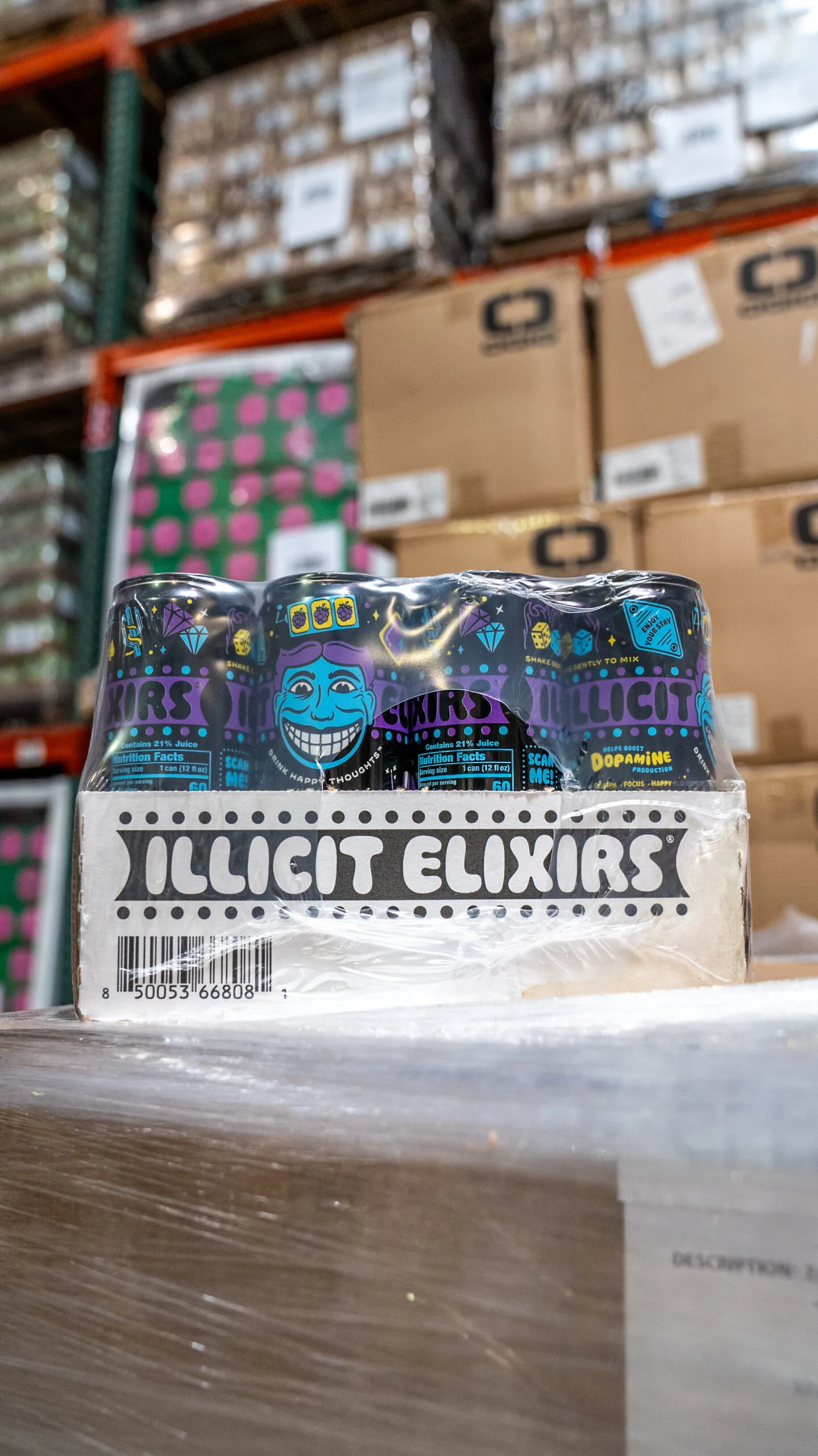
Packaging is one of the more overlooked profit drivers in the beverage industry. Brands tend to focus heavily on production, marketing, and distribution strategy, while underestimating how much poor packaging can cost over time. Breakage, leakage, damaged shipments, and reships quietly eat into margin and create operational drag that compounds as order volume grows.
Why Packaging Mistakes Quietly Drain Revenue From Beverage Brands
For brands shipping fragile glass, cans, or liquid-based products, packaging isn't just presentation. It's a core part of the fulfillment strategy. Every shipment that arrives damaged sets off a ripple effect: a replacement order, lost inventory, customer service time, potential chargebacks, and reputational cost with the customer or retailer on the receiving end.
These costs multiply quickly with scale. An occasional damage issue at low volume can become a real financial drain once thousands of units are moving each week. A damage or leakage rate of even a few percentage points, applied across enough shipments, can add up to a meaningful annual cost. Packaging, viewed this way, isn't simply an expense line. It functions as a revenue protection strategy.
A Fulfillment Approach Designed to Protect Product Integrity
TCB Global operates fulfillment centers in Orlando, Florida and Las Vegas, Nevada, and this dual-location structure supports packaging strategy in a fairly direct way: positioning inventory across both facilities reduces average shipping distance and the number of handling touchpoints a shipment goes through, and fewer touchpoints generally means fewer opportunities for in-transit damage.
Beyond location, protecting product integrity depends on packaging protocols developed specifically for fragile and liquid beverage products, prepared to withstand the handling conditions of multiple carriers and routes, not just a single best-case shipping scenario.
Why Packaging Issues Are Usually Systemic, Not Isolated
When damage keeps showing up, these are the questions worth asking:
- Why is the brand seeing consistent breakage in transit, rather than occasional bad luck?
- How much are damaged shipments and reships actually costing, once product, labor, and shipping are all counted?
- Was the packaging designed for retail shelf presentation, or for the handling conditions of parcel shipping?
- Should packaging differ between ecommerce, wholesale, and subscription formats, given how differently each is handled?
- Can packaging and process changes meaningfully reduce damage and reship rates without adding cost?
Why Retail-Designed Packaging Often Fails in Parcel Shipping
These questions tend to surface the same underlying issue: many beverage brands design packaging primarily for retail shelf presentation, and that packaging wasn't built with parcel-shipping durability in mind. As ecommerce volume grows, the mismatch between retail-oriented packaging and the actual handling conditions of parcel carriers starts to show up as a real cost. That's not because the packaging was poorly made, but because it was designed to solve a different problem.
How TCB Global Approaches Packaging as an Operational Priority
TCB Global's fulfillment workflow treats packaging as a structural priority rather than an afterthought, using tested packing configurations for fragile and liquid products, with protective materials selected based on product weight, packaging type, and shipping distance rather than a single default approach applied to every shipment.
Inventory handling within TCB Global's Orlando and Las Vegas facilities is also structured to minimize unnecessary movement, which reduces the chance of damage before an order is even packed for shipment. Brands working with TCB Global also have visibility into order performance and damage trends, which supports evaluating whether current packaging choices are actually working rather than assuming they are.
Why Packaging Requirements Differ Across Channels
Packaging requirements vary meaningfully by distribution channel. Direct-to-consumer shipments have to withstand parcel-carrier handling and often longer transit distances. Retail and wholesale shipments have to meet palletization and compliance standards while still protecting fragile product. Subscription shipments frequently include multiple items in a single box, which increases the risk of movement and breakage if the box isn't configured to prevent it.
Managing these variations without introducing inconsistency requires channel-specific packaging workflows rather than a single generic approach applied everywhere: DTC orders built for parcel durability, retail shipments built to compliance specification while maintaining structural integrity, and wholesale orders palletized and stabilized for transport.
What Effective Packaging Actually Prevents
Packaging failures rarely show up as one large expense. They show up as a steady accumulation of smaller losses: damaged units, replacement shipments, refunded orders, and retail penalties, which compound into a meaningful drag on profitability over time.
Effective packaging starts with understanding how a specific product moves through the fulfillment and shipping process: glass bottles need stabilization against impact, canned beverages need protection from compression and shifting, and liquid products need sealing and cushioning to prevent leakage. When this is done correctly for the specific product, breakage rates drop, replacement orders and their associated shipping costs decrease, customer satisfaction improves (reducing refund requests and negative reviews), and retailers receive product that meets delivery compliance standards, lowering chargeback and rejection risk.
What Changes as Order Volume Scales
Packaging efficiency matters more, not less, as a beverage brand scales. Higher order volume means higher total exposure to potential damage and loss, and small per-shipment inefficiencies that were barely noticeable at low volume become a real financial liability once repeated across thousands of orders. Brands should treat packaging and damage rate as metrics worth reviewing specifically as volume grows, rather than assuming a packaging approach chosen early on will continue to hold up without another look.
Why Reships Are a Hidden Cost Worth Tracking Separately
A replacement shipment triggered by damage carries its own full cost (product, packaging, labor, and freight) on top of whatever was already spent shipping the original, damaged order. Brands often track overall shipping cost closely but don't separate out reship volume specifically, which means the true cost of a packaging problem can stay hidden inside a general shipping-cost line rather than showing up as its own, addressable metric. Tracking reship rate and cost specifically, separate from total shipping spend, tends to make the case for a packaging investment much more concrete than a general sense that "damage happens sometimes."
FAQs
Why is packaging considered a profit driver rather than just a cost?
Because reducing breakage, leakage, and reships directly reduces replacement product cost, shipping cost, customer service time, and chargeback risk, and those savings scale with order volume.
Why does retail-designed packaging often fail during parcel shipping?
Retail packaging is typically designed for shelf presentation, not for the handling conditions of parcel carriers. That mismatch becomes more costly as ecommerce volume grows.
Should packaging differ between DTC, wholesale, and subscription shipments?
Yes. Each channel has different handling conditions and compliance requirements, and a single generic packaging approach tends to underperform for at least one of them.
What are the most common beverage packaging failure points?
Glass bottles needing impact stabilization, cans needing protection from compression and shifting, and liquid products needing proper sealing and cushioning against leakage.
How does TCB Global approach beverage packaging?
Through tested packing configurations selected by product weight, type, and shipping distance, structured inventory handling to reduce pre-shipment movement, and visibility into damage trends across Orlando and Las Vegas fulfillment.
Does better packaging actually reduce retail chargebacks?
Yes. Packaging that meets delivery and compliance standards reduces the damage-related and non-compliance chargebacks that poor packaging tends to trigger.
If damaged shipments or reships are quietly cutting into your margins, contact TCB Global to review your current packaging strategy against your actual shipping and damage data.
Want to learn more?
Check out how TCB can help you reduce costs and fulfill your beverage brand! (click here)
Heading 1
Heading 2
Heading 3
Heading 4
Heading 5
Heading 6
Lorem ipsum dolor sit amet, consectetur adipiscing elit, sed do eiusmod tempor incididunt ut labore et dolore magna aliqua. Ut enim ad minim veniam, quis nostrud exercitation ullamco laboris nisi ut aliquip ex ea commodo consequat. Duis aute irure dolor in reprehenderit in voluptate velit esse cillum dolore eu fugiat nulla pariatur.
Block quote
Ordered list
- Item 1
- Item 2
- Item 3
Unordered list
- Item A
- Item B
- Item C
Bold text
Emphasis
Superscript
Subscript
New Post:
Case Study

How F*ck Cancer Runs a Seven-Festival Tour Without a Logistics Team
F*ck Cancer brings cancer awareness to major music festivals through an activation tent. Their team sets it up and tears it down. Since 2024 we've handled everything behind that: routing, freight, delivery, pickup and storage between shows across seven festivals.
Read More