
DTC, Amazon, Wholesale, Retail: How to Run Multi-Channel Fulfillment Without Losing Margin

For beverage brands and product-based companies generally, growth often means expanding into multiple sales channels at once. Direct-to-consumer ecommerce builds brand loyalty and recurring revenue. Amazon drives visibility and volume. Wholesale relationships expand regional reach. Retail placement introduces national exposure and credibility. Each channel individually creates opportunity. Together, they create real operational complexity.
Why Multi-Channel Growth Can Quietly Erode Profitability
Many brands assume adding channels naturally increases revenue and profitability in proportion. In practice, multi-channel fulfillment often introduces hidden costs that quietly erode margin instead: shipping inefficiencies, inventory misalignment, chargebacks, storage duplication, and operational errors that accumulate gradually rather than all at once. When inventory isn't synchronized across channels, overselling becomes common. When shipping strategy isn't optimized for the mix, freight costs increase. When retail compliance is inconsistent, chargeback penalties eat directly into margin. None of these problems typically show up all at once. They develop as distribution expands, which is exactly why they're easy to miss until they've already cost real money.
Why a Single-Location, Single-Process Setup Struggles With Multiple Channels
Each sales channel places different demands on a fulfillment operation. Direct-to-consumer orders need fast, parcel-level processing. Amazon replenishment often requires precise timing and strict receiving compliance. Wholesale orders typically involve larger quantities and scheduled deliveries. Retail shipments have to meet specific routing, labeling, and pallet configuration requirements. Managing these separately, rather than through one coordinated system, tends to create duplicated effort, inefficiently segmented inventory, shipping decisions made without full cost visibility, and limited overall performance visibility.
A single warehouse location can also struggle to support these competing demands efficiently on its own. A facility optimized for fast DTC parcel turnaround isn't automatically optimized for retail palletization and compliance, and trying to do both from one undifferentiated process tends to shortchange at least one channel.
The Specific Levers That Prevent Margin Erosion
Preventing margin erosion across multiple channels comes down to a handful of deliberate operational choices, not a single fix.
Inventory Allocation
Overselling occurs when inventory data isn't synchronized across every channel in real time. Centralized, real-time tracking is what keeps stock levels accurate and ensures each channel is allocated appropriately, rather than each channel operating off its own separate (and potentially conflicting) view of what's actually available.
Shipping Cost Optimization
Shipping every order from a single location increases transit distance and freight expense for whichever channels and customers are farther from that location. A multi-location strategy positions inventory closer to both customers and retail partners, reducing shipping zones and improving delivery speed for a larger share of total order volume.
Consistent Packaging and Handling
DTC shipments need protection against parcel carrier handling; retail and wholesale shipments need to meet specific compliance standards. Standardized, channel-aware processes, rather than one generic packing approach applied everywhere, reduce damage rates and the reship costs that follow from getting this wrong.
Retail Compliance Management
Chargebacks tied to labeling, pallet configuration, or delivery timing directly reduce profitability, and they tend to increase specifically as a brand adds more retail accounts with different requirements. Structured, retailer-specific workflows are what keep shipments compliant consistently, rather than relying on a general process that happens to work for one retailer but not another.
Operational Visibility
Real-time reporting across every channel is what lets leadership actually identify where inefficiency is concentrated and make informed decisions about allocation, staffing, or process changes. Without it, problems tend to surface only after they've already affected a customer or a retail relationship.
Questions Brands Ask as They Expand Into More Channels
- How do we allocate inventory across channels without overselling from any one of them?
- Are we paying more for shipping than we should, given how our channel mix is actually distributed geographically?
- Why do Amazon or retail replenishment orders seem to disrupt DTC fulfillment when volume spikes?
- How do we reduce retail chargebacks as we add more retail accounts, each with different requirements?
- Does it make sense to store inventory in more than one location, and how would that allocation actually work?
- Can one fulfillment partner manage all of these channels well, or does that create its own risk?
How TCB Global Approaches Multi-Channel Coordination
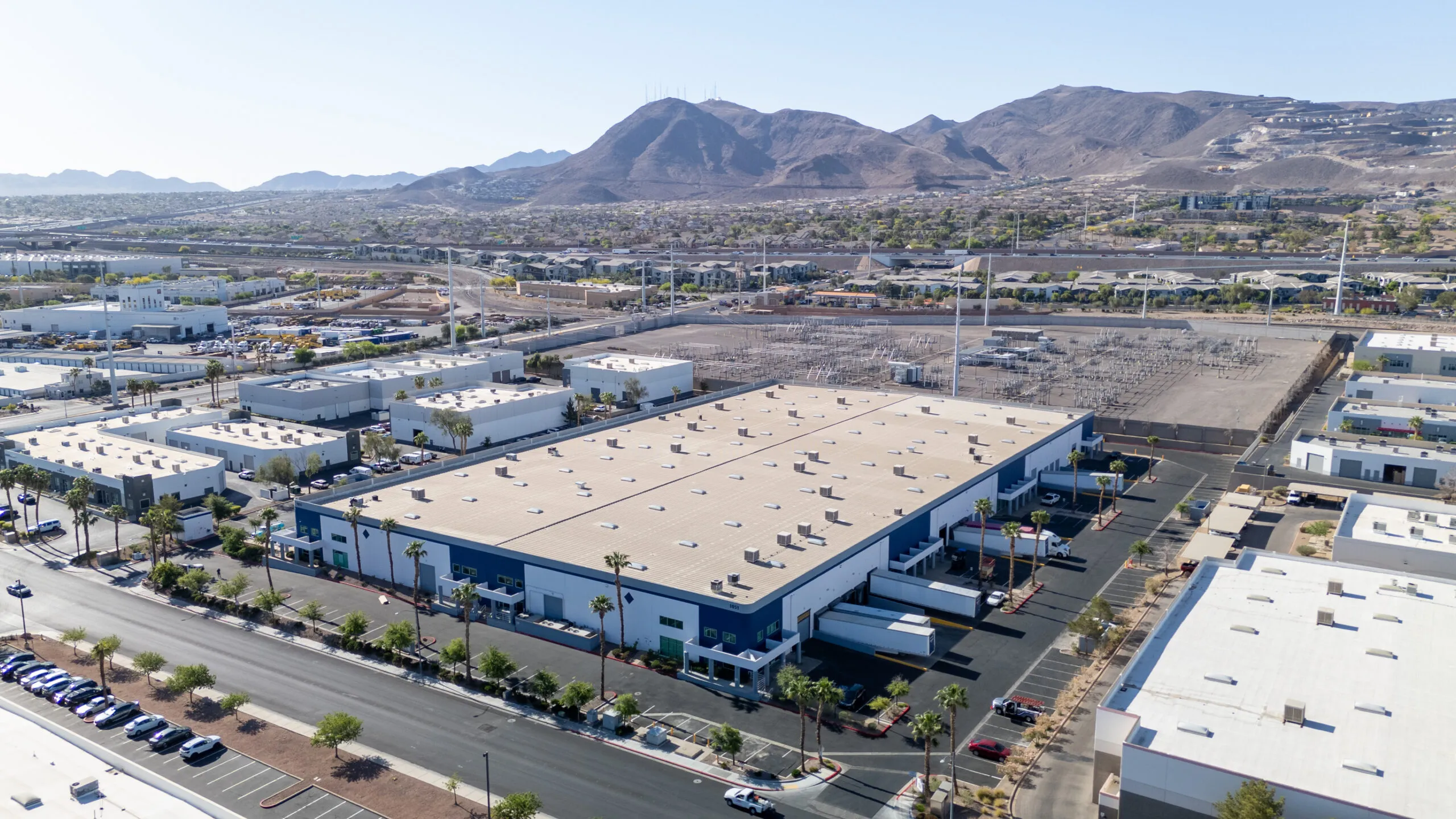
TCB Global operates fulfillment centers in Orlando, Florida and Las Vegas, Nevada, giving brands a coordinated national fulfillment strategy while maintaining visibility and control across channels. Orlando supports Southeastern and East Coast distribution, and Las Vegas supports Western and Central markets. Positioning inventory across both locations reduces shipping zones, shortens transit times, and lowers overall freight cost relative to serving every channel from a single point.
Inventory is tracked in real time across locations and treated as a shared resource across channels rather than being siloed by channel, with orders processed through workflows built around each channel's specific requirements: parcel-optimized for DTC, compliance-prepared for retail and wholesale, and timing-aware for Amazon replenishment.
Why This Gets Harder, Not Easier, With Scale
The operational conflict between channels tends to intensify as a brand grows, not resolve on its own. More retail accounts mean more distinct compliance requirements running simultaneously, more Amazon volume means tighter replenishment timing pressure, and higher DTC volume means less tolerance for the kind of inventory ambiguity that was manageable at a smaller scale. Brands that haven't unified their multi-channel fulfillment early tend to find the disconnected-process approach becomes measurably more expensive with each additional channel or account added, rather than staying a fixed, manageable cost.
Why Channel Prioritization Matters During a Volume Spike
Even with a unified system, a sudden volume spike in one channel (a viral DTC moment, a large Amazon replenishment order, a new retail account's first big purchase order) can strain shared inventory and processing capacity across all of them simultaneously. Having a clear, predetermined prioritization logic for how inventory and processing capacity get allocated during exactly this kind of spike is what prevents one channel's surge from quietly starving the others, rather than discovering the conflict in real time while it's actively affecting customers or retail partners.
FAQs
Why does adding sales channels sometimes reduce profitability instead of increasing it?
Because each channel introduces its own operational requirements, and without a coordinated fulfillment system, the resulting inefficiencies (shipping cost, inventory conflicts, chargebacks) accumulate faster than the added revenue can offset.
How can a brand prevent overselling across DTC, Amazon, wholesale, and retail?
Through real-time, centralized inventory tracking that treats stock as a shared resource across channels, rather than each channel operating off a separate, potentially outdated view of availability.
Does a multi-location fulfillment strategy actually reduce shipping costs across channels?
Yes. Positioning inventory closer to customers and retail partners reduces shipping zones and transit distance for a larger share of total order volume, regardless of which channel the order came through.
Why do retail chargebacks increase as a brand adds more channels or retail accounts?
Each retail account has its own labeling, pallet configuration, and delivery-timing requirements, and a generic process that worked for one account doesn't automatically satisfy another.
Can one 3PL manage DTC, Amazon, wholesale, and retail fulfillment together?
Yes, provided it operates a unified system (centralized inventory, channel-aware workflows, and consistent compliance handling) rather than running each channel as a separate, disconnected process.
How does TCB Global support multi-channel fulfillment specifically?
Through centralized, real-time inventory management and channel-specific workflows across its Orlando and Las Vegas facilities, built to handle DTC, Amazon, wholesale, and retail requirements simultaneously.
If adding sales channels has made your fulfillment operation feel more expensive rather than more profitable, contact TCB Global to review how inventory and shipping are currently allocated across each channel.
Want to learn more?
Check out how TCB can help your business succeed! (click here)
Heading 1
Heading 2
Heading 3
Heading 4
Heading 5
Heading 6
Lorem ipsum dolor sit amet, consectetur adipiscing elit, sed do eiusmod tempor incididunt ut labore et dolore magna aliqua. Ut enim ad minim veniam, quis nostrud exercitation ullamco laboris nisi ut aliquip ex ea commodo consequat. Duis aute irure dolor in reprehenderit in voluptate velit esse cillum dolore eu fugiat nulla pariatur.
Block quote
Ordered list
- Item 1
- Item 2
- Item 3
Unordered list
- Item A
- Item B
- Item C
Bold text
Emphasis
Superscript
Subscript
New Post:
Case Study

How F*ck Cancer Runs a Seven-Festival Tour Without a Logistics Team
F*ck Cancer brings cancer awareness to major music festivals through an activation tent. Their team sets it up and tears it down. Since 2024 we've handled everything behind that: routing, freight, delivery, pickup and storage between shows across seven festivals.
Read More