
From Local Success to National Retail: What Beverage Brands Need to Fix First

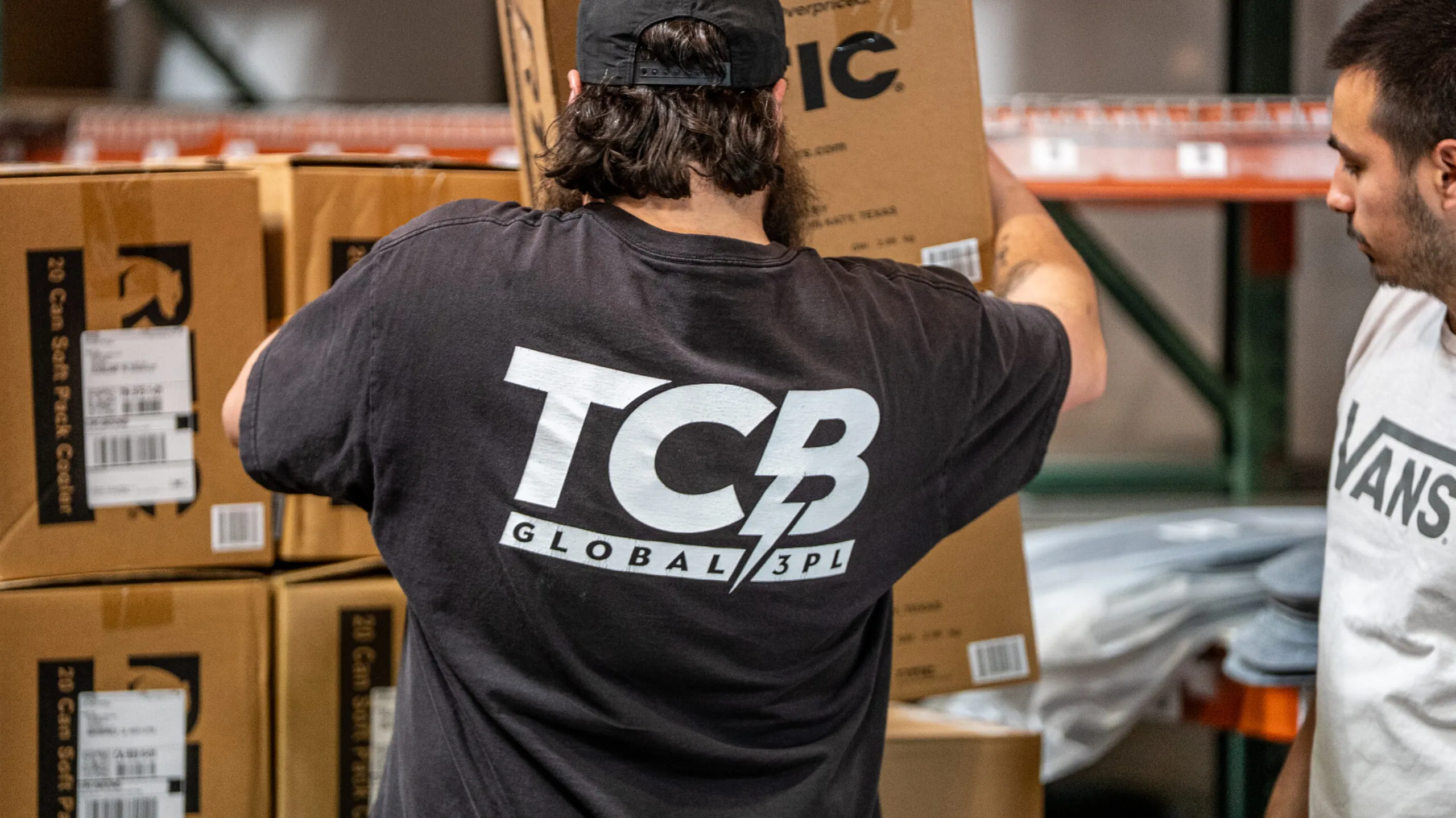
Many beverage brands reach a point where local success starts generating bigger opportunities. Regional retailers show interest, national chains open conversations, distribution partners ask about broader availability. It's tempting to treat this as simply the next step in a growth trajectory, but national retail expansion is fundamentally an operational transformation, not just a sales win.
Why National Retail Expansion Is an Operational Transformation, Not Just a Sales Milestone
What works for local distribution frequently breaks under national scale. Inventory systems that felt sufficient for regional volume start showing gaps. Packaging designed for shorter, local delivery may not hold up across a national shipping network. Fulfillment processes built around smaller order volumes struggle to keep pace with large retail purchase orders and multi-location distribution requirements.
The result, when this transition isn't planned for operationally, tends to be avoidable disruption: stockouts during a key retail launch, chargebacks from compliance gaps, shipments arriving late or incorrectly configured, and margins tightening as reships and penalties accumulate. National expansion isn't only about selling more product. It's about making sure the infrastructure exists to support that growth without compromising profitability or the brand's reputation with new retail partners.
The Specific Operational Fixes to Make Before Expanding
Successful national expansion requires more than increased production capacity. It requires alignment across inventory, packaging, fulfillment, and distribution specifically.
Inventory Accuracy
Retail purchase orders often involve large quantities and strict delivery timelines. Without real-time inventory visibility and structured tracking, brands risk stockouts or incomplete shipments precisely when a new retail relationship is most sensitive to a strong first impression. Accurate forecasting and inventory management are what make it possible to meet that demand consistently rather than reactively.
Packaging Durability and Compliance
Products that ship successfully within a local market don't automatically hold up across a national distribution network. Packaging needs to protect fragile items through longer transit while also meeting each retailer's specific labeling and pallet configuration requirements, which are usually more exacting than what local delivery demanded.
Retail Compliance
National retailers enforce strict standards for labeling, routing, pallet configuration, and delivery timing, largely through automated chargeback systems with little tolerance for deviation. Structured fulfillment workflows built around each retailer's specific requirements are what actually keep shipments compliant, rather than a general shipping process applied uniformly.
Multi-Warehouse Readiness
Relying on a single fulfillment location becomes a real constraint as distribution expands nationally. Every order has to travel further, driving up shipping delays and cost. A dual-location strategy positions inventory closer to key markets on both coasts, reducing transit time and shipping zones for a much larger share of national orders.
Operational Visibility
Leadership needs clear, current insight into inventory levels, order status, and fulfillment performance during this transition specifically. That visibility is what supports fast decision-making as new retail demand patterns emerge, rather than leadership finding out about a problem only after a retailer has already noticed it.
Questions Brands Should Ask Before Committing to National Retail
- Are we actually operationally ready for national retail, or just commercially motivated to say yes to the opportunity?
- Can our current inventory systems support the larger purchase order sizes national retail typically involves?
- Will our existing packaging hold up across longer national shipping distances, not just local delivery?
- How exposed are we to retail chargebacks given our current labeling, documentation, and delivery-window processes?
- Can we support retail and DTC simultaneously without one channel depleting stock the other needs?
- Do we need more than one warehouse location to serve national demand efficiently?
How TCB Global Supports This Transition
TCB Global operates fulfillment centers in Orlando, Florida and Las Vegas, Nevada, giving beverage brands a coordinated national fulfillment strategy while maintaining visibility and control across regions. Orlando supports Southeastern and East Coast distribution, and Las Vegas supports Western and Central markets. Inventory positioned strategically across both facilities reduces shipping zones, improves delivery timelines, and helps maintain consistent product availability for retail partners nationwide.
Real-time inventory tracking across locations keeps stock levels accurate so retail orders can be fulfilled without disrupting DTC or wholesale channels running simultaneously. Fragile and liquid beverage products are handled with defined packing and stabilization procedures, and retail shipments are prepared to each partner's compliance standards (labeling, pallet configuration, and routing) to reduce chargeback exposure and protect the new retail relationship.
Why Multi-Channel Coordination Gets Harder During Expansion, Not Easier
National retail expansion rarely replaces DTC or wholesale. Most beverage brands end up running all three simultaneously, often drawing from the same inventory pool. Without a structured system, these channels start competing: a retail order can deplete stock needed for online sales, a promotion can generate demand beyond what's actually available, and subscription shipments can get delayed by inventory allocation conflicts nobody planned for.
Centralizing inventory management and order processing within one system, with real-time stock visibility across every channel, is what prevents this, allocating accurately across retail, ecommerce, wholesale, and subscription rather than treating each channel's demand as isolated from the others.
What Changes as Retail Accounts Multiply
Each additional retail account a brand adds typically brings its own specific compliance requirements on top of the ones already in place, and the operational fixes described above need to scale accordingly. A brand prepared for one national retailer's routing guide and delivery windows isn't automatically prepared for a second retailer's different requirements. It's worth reassessing inventory allocation logic, packaging standards, and compliance workflows each time a major new retail account is added, rather than assuming the systems built for the first expansion will hold indefinitely.
Why Rushing This Transition Tends to Cost More Than Slowing Down
The pressure to say yes to a national retail opportunity quickly is understandable. These conversations don't come along often, and there's a real fear that hesitation could cost the deal. But entering a national retail relationship before the operational fixes above are in place tends to create exactly the outcome brands are trying to avoid: a rocky launch, early chargebacks, and a retailer who now associates the brand with inconsistency rather than reliability. A brief, deliberate readiness period before go-live is usually far less costly than repairing a retailer relationship damaged by a shaky start.
FAQs
How do I know if my brand is operationally ready for national retail?
Test whether current inventory systems, packaging, and compliance processes can handle larger purchase orders, longer shipping distances, and stricter retailer requirements, not just whether demand exists.
What's the biggest operational risk when expanding from local to national retail?
Retail chargebacks from labeling, documentation, or delivery-window compliance failures, and stockouts from inventory systems that weren't built for larger retail purchase order volume.
Does packaging need to change for national retail distribution?
Often yes. Packaging that holds up for local delivery may not withstand longer national shipping distances or meet a specific retailer's labeling and pallet configuration requirements.
Do I need multiple warehouse locations to support national retail?
It depends on where demand is concentrated, but a single-location operation typically faces longer transit times and higher shipping costs as national distribution grows.
Can a brand support retail and DTC simultaneously without inventory conflicts?
Yes, with centralized, real-time inventory management across channels. Without it, retail and DTC often end up competing for the same stock.
How does TCB Global support beverage brands entering national retail?
Through dual-location fulfillment in Orlando and Las Vegas, real-time inventory visibility across channels, and retail-compliant packing and shipping workflows built around each retailer's specific requirements.
If you're preparing to move from regional success into national retail, contact TCB Global to review whether your current fulfillment operation is actually ready for that scale.
Want to learn more?
Check out how TCB can help scale your beverage brand from local to national! (click here)
Heading 1
Heading 2
Heading 3
Heading 4
Heading 5
Heading 6
Lorem ipsum dolor sit amet, consectetur adipiscing elit, sed do eiusmod tempor incididunt ut labore et dolore magna aliqua. Ut enim ad minim veniam, quis nostrud exercitation ullamco laboris nisi ut aliquip ex ea commodo consequat. Duis aute irure dolor in reprehenderit in voluptate velit esse cillum dolore eu fugiat nulla pariatur.
Block quote
Ordered list
- Item 1
- Item 2
- Item 3
Unordered list
- Item A
- Item B
- Item C
Bold text
Emphasis
Superscript
Subscript
New Post:
Case Study

How F*ck Cancer Runs a Seven-Festival Tour Without a Logistics Team
F*ck Cancer brings cancer awareness to major music festivals through an activation tent. Their team sets it up and tears it down. Since 2024 we've handled everything behind that: routing, freight, delivery, pickup and storage between shows across seven festivals.
Read More