
How to Ship Fragile Equipment Without Losing Money to Damage in Transit

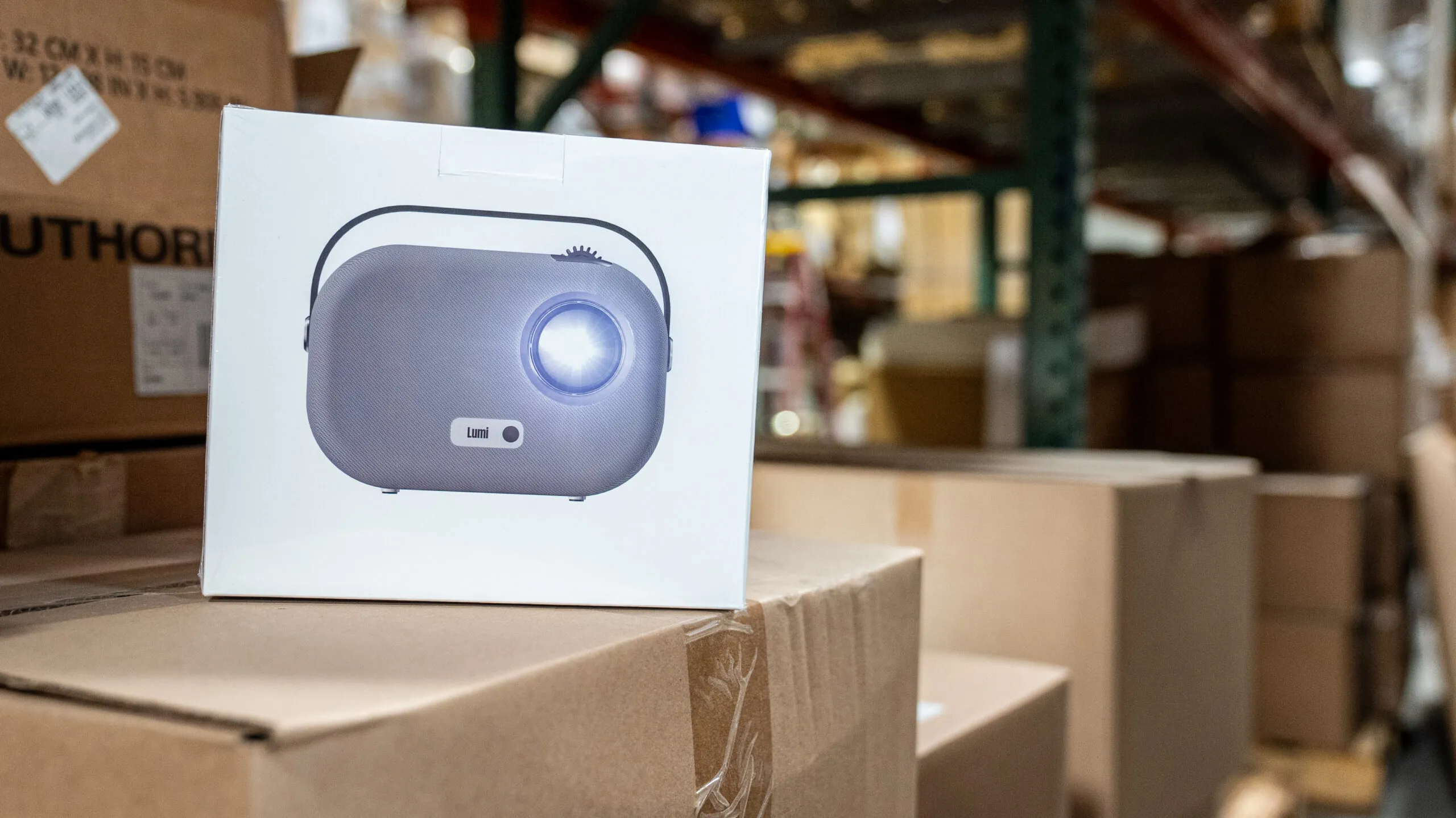
For companies that manufacture, distribute, or sell fragile equipment, shipping isn't a routine fulfillment task. It's a point of real financial and reputational risk. Electronics, audio-visual systems, medical devices, specialty machinery, and precision components all require handling and protection that a standard pick-and-pack process wasn't designed around.
Why Shipping Fragile Equipment Is a Risk Point, Not Just a Logistics Step
Damage during transit is rarely a minor inconvenience for this category. Replacement cost, insurance claims, expedited reshipments, and project delays add up quickly, and for B2B shipments specifically, the stakes are higher still. Damaged equipment can disrupt an installation, delay a launch, or strain a client relationship in a way that a damaged consumer good typically doesn't.
The risk compounds with scale. More shipments mean more handling points, more carriers, and more chances for damage if the underlying process isn't built for it, and a generic fulfillment model that works fine for standard consumer goods leaves fragile, high-value equipment exposed to avoidable losses.
Why Standard Fulfillment Falls Short for This Category
Standard pick-and-pack fulfillment is optimized for speed and volume on products that can tolerate a reasonable amount of handling variance. Fragile and high-value equipment can't. Improper packaging, inconsistent handling, or the wrong carrier choice can all increase damage risk substantially, and even well-packaged equipment can still be compromised in transit without a structured shipping strategy behind it.
What a Structured Fragile-Equipment Shipping Process Actually Involves
Protecting fragile equipment successfully starts well before a shipping label is printed.
Inbound inspection: receiving and inspecting equipment on arrival to confirm it enters the warehouse in good condition in the first place.
Structured storage: location mapping designed to minimize unnecessary movement and reduce the chance of accidental impact while inventory sits in the warehouse.
Controlled picking: defined procedures for handling fragile items during picking that prioritize stability over speed.
Product-specific packaging: materials and methods selected based on the specific product's size, weight, and fragility, which may include cushioning materials, reinforced boxes, or custom crating depending on what the equipment actually requires.
Stabilization for transit: securing items so they can't shift internally, since vibration and internal movement (not just outright drops) are a common cause of in-transit damage.
Carrier and method selection: choosing between parcel, LTL freight, or dedicated transport based on the shipment's specific protection requirements rather than defaulting to whichever option is fastest or cheapest.
Pre-ship quality control: verifying packaging integrity and accuracy before a shipment ever leaves the facility.
Questions to Ask When Evaluating a Fulfillment Partner for This Category
- How is damage during transit actually prevented, beyond a general assurance of "careful handling"?
- Does the partner offer custom packaging or crating when the product requires it, or only standard box sizes regardless of fragility?
- How is the decision made between parcel and freight shipping for a given piece of equipment?
- What is the actual process for reducing insurance claims and replacement shipments, not just responding to them after the fact?
- What visibility will you have into a shipment's status and condition while it's in transit?
How TCB Global Approaches Fragile and High-Value Equipment
TCB Global applies this structured approach (inbound inspection, organized storage, controlled picking, product-specific packaging, stabilization, and pre-ship quality control) across its Orlando, Florida and Las Vegas/Henderson, Nevada facilities. Positioning inventory across both locations also reduces transit distance and the number of transfer points a shipment goes through, which matters specifically for fragile equipment, since each additional handoff is another opportunity for damage.
How This Extends Across B2B and Multi-Channel Distribution
Fragile equipment often moves through more than one distribution channel simultaneously. Direct-to-consumer shipments need parcel-level protection and tracking, B2B shipments may involve palletized freight or coordinated delivery scheduling, and trade show or event shipments often carry precise timing requirements on top of the usual handling concerns. Managing all of this consistently requires channel-specific workflows (parcel shipments packed to withstand carrier handling, freight shipments stabilized and secured for longer-distance transport) rather than a single generic process applied regardless of destination or method.
What Changes as Shipment Volume and Distribution Scope Grow
As a company expands distribution of fragile equipment into new regions or channels, exposure to potential damage grows right along with shipment volume. A handling gap that caused occasional damage at low volume can become a significant, recurring cost once repeated across a larger and more geographically distributed set of shipments. It's worth revisiting packaging standards, carrier selection logic, and handling procedures specifically as distribution scales, rather than assuming a process built for an earlier, smaller volume will continue to hold up without adjustment.
Why Trade Show and Event Shipments Add Their Own Layer of Risk
Fragile equipment headed to a trade show or live event carries a timing risk on top of the usual handling concerns. Arriving damaged is one failure mode, but arriving late is functionally just as bad, since there's no flexibility to delay a booth setup or an event installation the way there might be for a standard B2B delivery. This combination of fragility and hard deadlines means carrier selection and buffer time need to be planned more conservatively for event shipments than for routine equipment distribution.
Why Damage Patterns Are Worth Tracking by Product Category
Not all fragile equipment fails in transit for the same reason. A flat-panel display, a piece of precision machinery, and a medical device each have different failure points (screen damage, calibration disruption from vibration, or seal integrity, respectively). Tracking damage incidents by specific product category, rather than as one aggregate damage rate, tends to reveal which packaging or handling adjustment would actually make a difference, versus applying a generic fix across an entire fragile-goods catalog and hoping it addresses the right failure mode.
FAQs
How can damage to fragile equipment be prevented during transit?
Through a structured process (controlled picking, product-specific packaging, internal stabilization to prevent shifting, and carrier selection matched to the shipment's actual protection needs) rather than relying on generic packaging alone.
Do fragile or high-value shipments need custom packaging or crating?
It depends on the specific product. Some equipment can be adequately protected with reinforced boxes and cushioning, while larger or more delicate items may require custom crating.
Should fragile equipment ship via parcel or freight?
It depends on the item's size, weight, and fragility. Parcel carriers work for smaller protected items, while larger or more sensitive equipment often needs LTL freight or dedicated transport for adequate stabilization.
How can a company reduce insurance claims and replacement shipments?
By addressing the root causes of damage directly (structured handling, appropriate packaging, and correct carrier selection) rather than only processing claims after damage has already occurred.
Can a 3PL handle high-value or sensitive equipment reliably?
Yes, provided the 3PL has a structured process built specifically for this category (inbound inspection, controlled handling, product-specific packaging, and pre-ship quality control) rather than applying standard consumer-goods fulfillment to it.
How does TCB Global support fragile equipment shipping?
Through inbound inspection, organized low-movement storage, controlled picking, product-specific packaging and stabilization, and pre-ship quality control across its Orlando and Las Vegas facilities.
Does shipment timing matter as much as damage prevention for trade show equipment?
Yes. Event and trade show shipments carry a hard deadline that routine B2B deliveries often don't, so carrier selection and buffer time typically need to be planned more conservatively.
If fragile or high-value equipment is arriving damaged more often than it should, contact TCB Global to review your current packaging, handling, and carrier strategy.
Want to learn more?
Check out how TCB can help your fragile equipment and ensure a seamless transit! (click here)
Heading 1
Heading 2
Heading 3
Heading 4
Heading 5
Heading 6
Lorem ipsum dolor sit amet, consectetur adipiscing elit, sed do eiusmod tempor incididunt ut labore et dolore magna aliqua. Ut enim ad minim veniam, quis nostrud exercitation ullamco laboris nisi ut aliquip ex ea commodo consequat. Duis aute irure dolor in reprehenderit in voluptate velit esse cillum dolore eu fugiat nulla pariatur.
Block quote
Ordered list
- Item 1
- Item 2
- Item 3
Unordered list
- Item A
- Item B
- Item C
Bold text
Emphasis
Superscript
Subscript
New Post:
Case Study

How F*ck Cancer Runs a Seven-Festival Tour Without a Logistics Team
F*ck Cancer brings cancer awareness to major music festivals through an activation tent. Their team sets it up and tears it down. Since 2024 we've handled everything behind that: routing, freight, delivery, pickup and storage between shows across seven festivals.
Read More