
Why Beverage Logistics Is Harder Than You Think

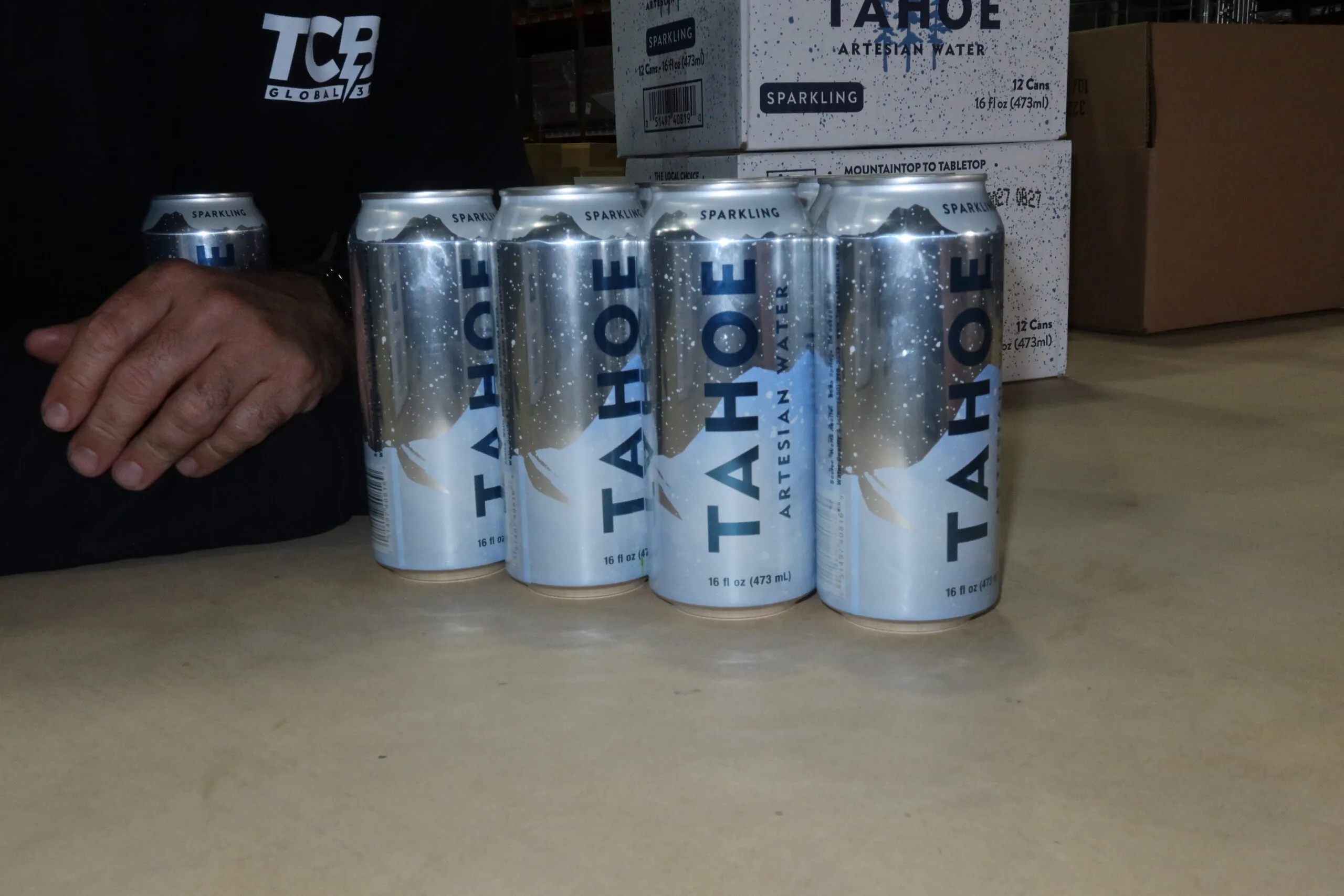
Beverage brands are scaling faster than ever: new products launching constantly, distribution channels expanding, consumer demand shifting toward convenience, speed, and consistency. But behind that growth, a lot of brands are feeling a problem they're struggling to actually name: logistics isn't keeping up.
The symptoms show up in familiar ways. Inventory doesn't move the way it should, retail orders are harder to manage than expected, shipping costs feel unpredictable, and the operation feels more reactive than strategic. The instinct is to blame demand, growth, or the team. Usually, though, the actual issue is simpler and more structural: most logistics systems were never built for the specific complexity of modern beverage distribution.
Why Beverage Logistics Is Different, Not Just Heavier
Beverage logistics isn't standard ecommerce fulfillment with bigger, heavier boxes. It comes with a specific combination of challenges that demands more precision and control than most product categories: products that are heavier and often fragile, multiple formats and pack sizes within the same catalog, expiration considerations that add a time dimension most goods don't have, and frequent distribution across several channels simultaneously.
That combination adds complexity at every level. Storage, handling, shipping, compliance, and forecasting all get harder at once, not one at a time. A 3PL that isn't specifically built for that combined complexity tends to show cracks quickly, often faster than a brand's leadership expects.
Where Beverage Logistics Actually Breaks Down
Inventory Complexity
Beverage brands rarely have simple SKU structures. Single units, multi-packs, variety packs, and pallet configurations all need to be tracked as distinct, related entities. If inventory isn't tracked accurately across these variations, errors happen, and those errors affect ecommerce and retail orders simultaneously rather than staying contained to one channel.
Fragility and Handling
Beverage products are physically sensitive in ways many consumer goods aren't. Glass bottles break, cans dent, and packaging can fail under pressure during normal handling. If warehouse handling isn't consistent and controlled, damage rates increase, which leads directly to returns, replacements, and lost revenue.
Retail Compliance
Retail is where many beverage brands struggle the most. Missed delivery windows, incorrect labeling, and improper pallet configurations all lead to chargebacks and strained retailer relationships. Once a retail relationship is damaged by repeated compliance failures, it's difficult to recover, which raises the stakes on getting this right the first time.
Shipping Cost Pressure
Beverage products are heavy, which means shipping costs are naturally higher than for lighter goods before anything else goes wrong. If inventory isn't positioned correctly relative to customers, brands get forced into high shipping zones, expedited freight, and increased cost per unit, all of which erode margin quickly and compound as volume grows.
Why General-Purpose 3PLs Struggle With Beverage Brands Specifically
Many 3PLs are designed around general ecommerce, optimized for lightweight products, simple SKU structures, and standard pick-and-pack operations. Beverage logistics requires more than that baseline: controlled handling processes, inventory precision at the SKU-variation level, multi-channel coordination, and strategic geographic placement. Without those specific capabilities, a general-purpose system tends to start breaking down under the particular pressure beverage distribution creates, even if it performs fine for other product categories.
What Beverage Brands Actually Need From a Fulfillment Partner
Inventory accuracy at the SKU-variation level: every pack size, multi-pack, and configuration tracked correctly, since a generic SKU-count approach misses the variation that actually causes fulfillment errors.
Controlled handling processes from receiving through shipping: consistency at every touchpoint to reduce damage and maintain product quality.
Multi-channel fulfillment managed within one system: DTC, retail distribution, and wholesale each have different requirements, and a strong partner coordinates all of them rather than treating each as a separate operation.
Strategic inventory placement: positioning stock closer to where demand actually is, which reduces shipping zones, improves delivery times, and lowers cost.
Retail-ready operations as standard practice: correct labeling, proper pallet builds, and on-time delivery built into the process rather than handled as exceptions.
Questions to Ask a 3PL About Beverage-Specific Capability
- How is inventory tracked across single units, multi-packs, and variety packs specifically, not just at the top-level SKU?
- What handling procedures exist specifically for fragile beverage packaging, distinct from general consumer goods?
- What retail compliance track record does the provider have, and what specifically caused any past chargebacks?
- How is inventory positioned geographically to control shipping cost for a heavy product category?
- Can DTC, retail, and wholesale orders all be managed within one coordinated system, or does each require a separate process?
How TCB Global Approaches Beverage-Specific Complexity
TCB Global operates fulfillment centers in Orlando, Florida and Las Vegas, Nevada, using Orlando for East Coast distribution and Las Vegas for West Coast coverage. That structure is specifically aimed at reducing shipping zones, improving delivery times, and lowering cost for a product category where weight already makes freight expensive by default.
Inventory accuracy is maintained at the SKU-variation level across both facilities, handling processes are structured to reduce breakage and leakage for fragile packaging specifically, and retail-bound shipments are prepared to each partner's labeling and pallet requirements to reduce chargeback exposure. DTC, retail, and wholesale orders run through one coordinated system rather than separate, disconnected processes.
What Changes Once the Underlying System Is Actually Fixed
When the fulfillment system is built specifically around beverage complexity rather than adapted from a general-purpose model, the improvement tends to show up everywhere at once: inventory becomes reliable, orders ship consistently, retail relationships strengthen, shipping costs stabilize, and the internal team stops reacting to problems and starts operating strategically instead. Growth becomes something the operation can actually absorb, rather than something that exposes every existing gap in the system.
FAQs
Why is beverage logistics harder than standard ecommerce fulfillment?
Because it combines several forms of complexity at once (heavier and fragile products, multiple pack-size SKU variations, expiration considerations, and multi-channel distribution) that most general-purpose fulfillment systems weren't built to handle together.
What's the most common cause of beverage fulfillment errors?
Inventory complexity. Beverage brands typically manage single units, multi-packs, and variety packs as related but distinct SKUs, and inaccurate tracking across these variations causes errors that affect both ecommerce and retail.
Why do beverage brands see more retail chargebacks than other categories?
Retail compliance requirements around labeling, pallet configuration, and delivery windows are strict and automated, and beverage brands face this compounded by the category's fragility and weight.
Does warehouse location actually affect beverage shipping costs specifically?
Yes, more than for lighter product categories. Since beverage weight already makes shipping expensive by default, poor inventory placement compounds that cost further through higher shipping zones.
How does TCB Global address beverage-specific logistics complexity?
Through SKU-variation-level inventory accuracy, fragile-product handling procedures, retail-compliant workflows, and dual-location placement in Orlando and Las Vegas designed to reduce shipping cost for a heavy product category.
If beverage logistics feels harder than it should for your brand, contact TCB Global to talk through where the friction is actually coming from.
Want to learn more?
Check out how TCB can help you reduce costs and fulfill your beverage brand! (click here)
Heading 1
Heading 2
Heading 3
Heading 4
Heading 5
Heading 6
Lorem ipsum dolor sit amet, consectetur adipiscing elit, sed do eiusmod tempor incididunt ut labore et dolore magna aliqua. Ut enim ad minim veniam, quis nostrud exercitation ullamco laboris nisi ut aliquip ex ea commodo consequat. Duis aute irure dolor in reprehenderit in voluptate velit esse cillum dolore eu fugiat nulla pariatur.
Block quote
Ordered list
- Item 1
- Item 2
- Item 3
Unordered list
- Item A
- Item B
- Item C
Bold text
Emphasis
Superscript
Subscript
New Post:
Case Study

How F*ck Cancer Runs a Seven-Festival Tour Without a Logistics Team
F*ck Cancer brings cancer awareness to major music festivals through an activation tent. Their team sets it up and tears it down. Since 2024 we've handled everything behind that: routing, freight, delivery, pickup and storage between shows across seven festivals.
Read More