
Beverage Fulfillment in Florida: Why the State's Geography and Climate Change the 3PL Requirements

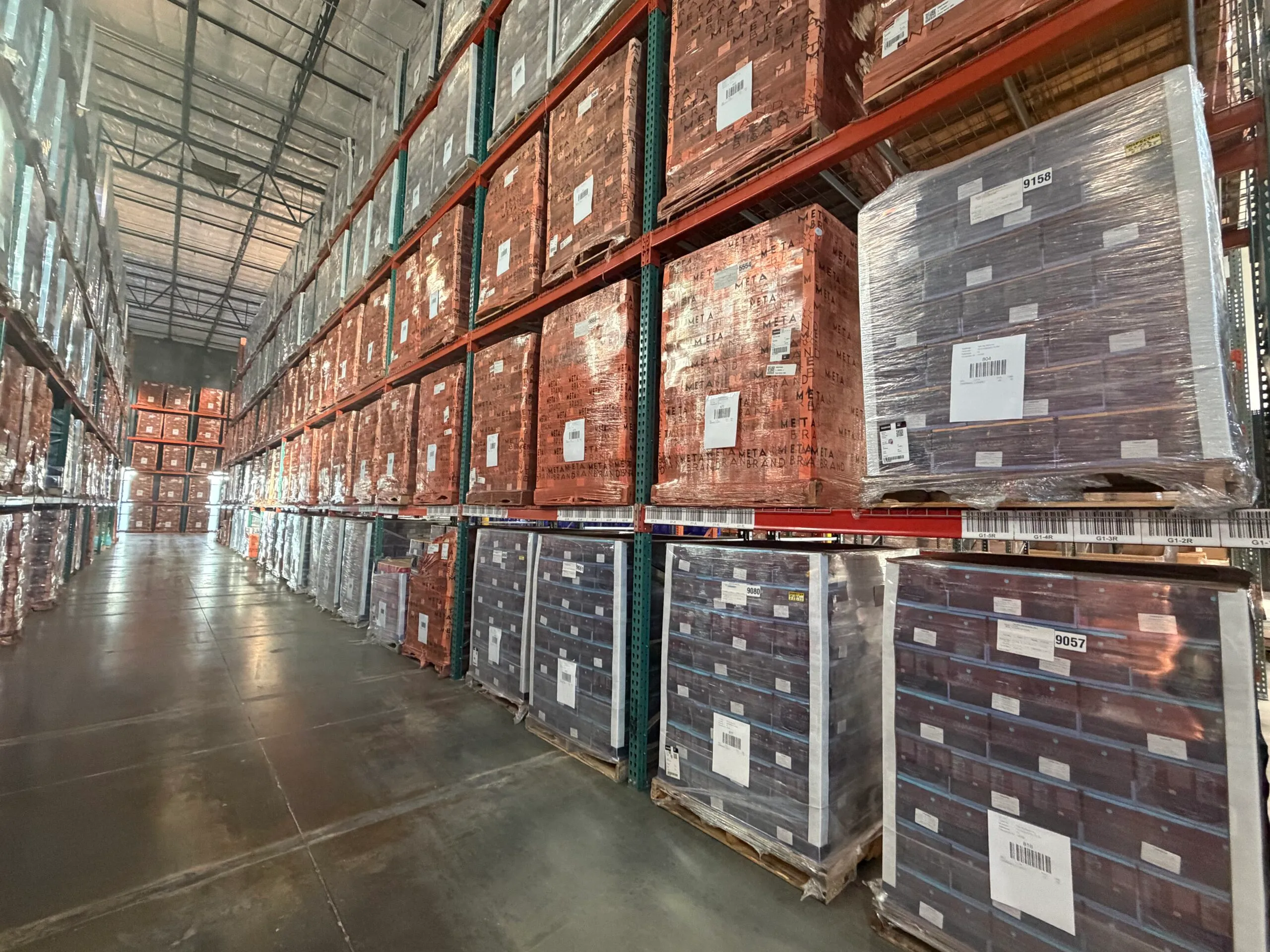
Florida has the ingredients that make it look like an easy expansion market for beverage brands: a large population, year-round tourism-driven demand, and access to major ports. In practice, several beverage brands expanding into Florida run into friction that has less to do with demand and more to do with how their fulfillment is set up to handle the state's geography, climate, and retail requirements.
What Makes Florida a Distinct Logistics Environment
Florida is a peninsula, which means most freight flows into the state rather than through it on the way somewhere else, a structural difference from logistics hubs that sit along major through-routes. That geography, combined with regionally concentrated population density, tourism-driven demand spikes, sustained heat and humidity, and retail compliance requirements that don't flex for out-of-state shippers, creates a specific set of conditions a beverage-focused fulfillment strategy has to be built around.
Where Fulfillment Strategies Break Down in Florida
- Serving Florida as a pass-through market from an out-of-state facility, which increases shipping zones, transit time, and cost per shipment for every Florida order.
- Underestimating environmental exposure. Beverage products can be affected by heat and humidity during storage and transit if handling and storage conditions aren't controlled for it.
- Not planning for demand variability driven by tourism, seasonal traffic, and events, which can produce stockouts in some periods and overstock in others without proper forecasting.
- Inconsistent retail compliance (missed delivery windows, incorrect labeling, or documentation mismatches), which can lead to chargebacks and strained retailer relationships in a market where retail is competitive.
Why Beverage Brands Feel Florida's Logistics Challenges First
Beverage logistics already carries tighter margins and more handling requirements than many other consumer product categories: the products are heavier, packaging is more sensitive to mishandling, and retail compliance standards are stricter. Layering Florida's geography and climate on top of that reduces the margin for error significantly.
What a Florida-Built Beverage Fulfillment Strategy Looks Like
TCB Global operates a fulfillment center in Orlando, Florida, positioned to serve the state directly rather than from a distance.
In-state distribution: an Orlando-based facility can reduce the shipping zones and transit time associated with serving Florida from an out-of-state warehouse.
Access to major transportation infrastructure: Orlando's position along the I-4 corridor and its proximity to Port Canaveral support routes into Miami, Tampa, Jacksonville, and other high-demand Florida markets.
Handling practices suited to beverage products: minimizing dock and staging exposure time and moving inventory through the facility quickly to reduce the risk of heat- and humidity-related quality issues. This is not climate-controlled storage. TCB Global's Orlando facility operates under ambient conditions, so exposure time and handling discipline are the primary mitigations, not regulated storage temperature.
Retail compliance discipline: correct labeling, accurate documentation, and on-time delivery windows to protect retail relationships and reduce chargeback exposure.
What Changes as a Beverage Brand Scales Within Florida
As a beverage brand adds Florida retail accounts or expands DTC volume in the state, inventory forecasting needs to account for tourism and seasonal demand patterns specific to Florida rather than applying a national average. Brands should also revisit whether a single Florida location still covers their delivery-time targets as they add SKUs, or whether demand has concentrated in a region (South Florida versus the I-4 corridor, for example) that changes how inventory should be allocated.
How Florida's Seasonal Patterns Should Shape Beverage Inventory Planning
Florida's demand curve doesn't move the way a typical national average does. Tourism traffic rises and falls by season and by region, major events and conventions create short, sharp local demand spikes, and hurricane season (June through November) introduces the possibility of disrupted inbound freight, temporary facility closures, or last-minute demand surges tied to storm preparation. A beverage brand's inventory plan for Florida should account for these patterns specifically rather than applying the same forecasting model used for calmer regions.
This isn't a reason to avoid the state. It's a reason to build safety stock and reorder timing around Florida's actual demand rhythm, and to confirm with any fulfillment partner what contingency plan exists for weather-related disruptions during hurricane season specifically.
Questions to Ask Before Choosing a Florida-Based Beverage 3PL
- How is inventory protected from heat and humidity during storage and during the loading dock transition?
- What is the facility's plan for continuing operations, or communicating disruption, during a hurricane watch or warning?
- How does the provider track and enforce lot codes and FEFO rotation for perishable or date-sensitive beverage products?
- What retail compliance guides does the provider already have experience working against, and how are labeling and ASN requirements verified before a shipment leaves the facility?
- How does the provider handle demand spikes tied to specific Florida events, conventions, or tourist seasons?
How Florida's Retail Landscape Differs From Other States
Florida's retail environment includes a mix of national grocery and big-box chains, regional specialty retailers, and a large independent and convenience-store segment tied to tourism corridors, each with its own compliance expectations. A beverage brand distributing into Florida retail typically has to satisfy several different routing guides and delivery-window requirements simultaneously, rather than a single standardized set of rules, which makes a fulfillment partner's retail compliance experience specifically within Florida more relevant than general retail experience elsewhere in the country.
Balancing DTC and Retail Fulfillment From a Single Florida Facility
Many beverage brands run DTC and retail channels simultaneously, and each has different operational demands: DTC orders are typically smaller and more frequent, while retail orders are larger, palletized, and bound by strict compliance windows. A Florida-based facility built to handle both from the same location can reduce the overhead of managing separate providers for each channel, provided the facility has distinct, well-defined workflows for each rather than treating every order the same way.
Why Local Fulfillment Experience in Florida Specifically Matters
General 3PL experience doesn't automatically translate to Florida-specific competence. A provider with a track record specifically in Florida has typically already worked through the state's climate considerations, hurricane-season contingency planning, and the compliance requirements of Florida's specific mix of national and regional retailers. That experience is difficult to replicate quickly for a provider entering the state for the first time on a brand's behalf.
FAQs
Why is Florida considered a difficult market for beverage logistics?
Its peninsula geography, climate, tourism-driven demand variability, and strict retail compliance requirements combine to create operational challenges that a fulfillment strategy built for other regions may not account for.
Does a Florida-based warehouse reduce shipping costs for in-state orders?
Generally yes. Positioning inventory within the state reduces the shipping zones and transit distance compared to serving Florida from an out-of-state facility.
How does heat affect beverage fulfillment?
Sustained heat and humidity during storage or transit can affect product quality if storage and handling processes aren't controlled for it.
Where is TCB Global's Florida fulfillment center located?
TCB Global operates a fulfillment center in Orlando, Florida, with access to the I-4 corridor and proximity to Port Canaveral.
Does TCB Global handle retail compliance for beverage shipments in Florida?
Yes. Labeling accuracy, delivery-window management, and documentation are part of TCB Global's fulfillment process for retail-bound beverage shipments.
Does hurricane season affect beverage fulfillment in Florida?
It can. Brands should confirm their fulfillment partner has a specific contingency plan for inbound freight disruption and facility operations during hurricane watches or warnings, particularly June through November.
How far in advance should I plan inventory for Florida's tourist season?
Because tourism-driven demand is seasonal and regionally concentrated, forecasting should be built around Florida's specific demand calendar rather than a flat national average, with safety stock adjusted ahead of known peak periods.
If you're expanding a beverage brand into Florida and want to know whether your current fulfillment setup is built for the state's specific requirements, contact TCB Global to review your Florida distribution plan.
Want to learn more?
Learn more about how TCB's Orlando location can be an advantage for your business! (click here)
Heading 1
Heading 2
Heading 3
Heading 4
Heading 5
Heading 6
Lorem ipsum dolor sit amet, consectetur adipiscing elit, sed do eiusmod tempor incididunt ut labore et dolore magna aliqua. Ut enim ad minim veniam, quis nostrud exercitation ullamco laboris nisi ut aliquip ex ea commodo consequat. Duis aute irure dolor in reprehenderit in voluptate velit esse cillum dolore eu fugiat nulla pariatur.
Block quote
Ordered list
- Item 1
- Item 2
- Item 3
Unordered list
- Item A
- Item B
- Item C
Bold text
Emphasis
Superscript
Subscript
New Post:
Case Study

How F*ck Cancer Runs a Seven-Festival Tour Without a Logistics Team
F*ck Cancer brings cancer awareness to major music festivals through an activation tent. Their team sets it up and tears it down. Since 2024 we've handled everything behind that: routing, freight, delivery, pickup and storage between shows across seven festivals.
Read More