
Why Beverage Brands Are Outsourcing Distribution to Las Vegas

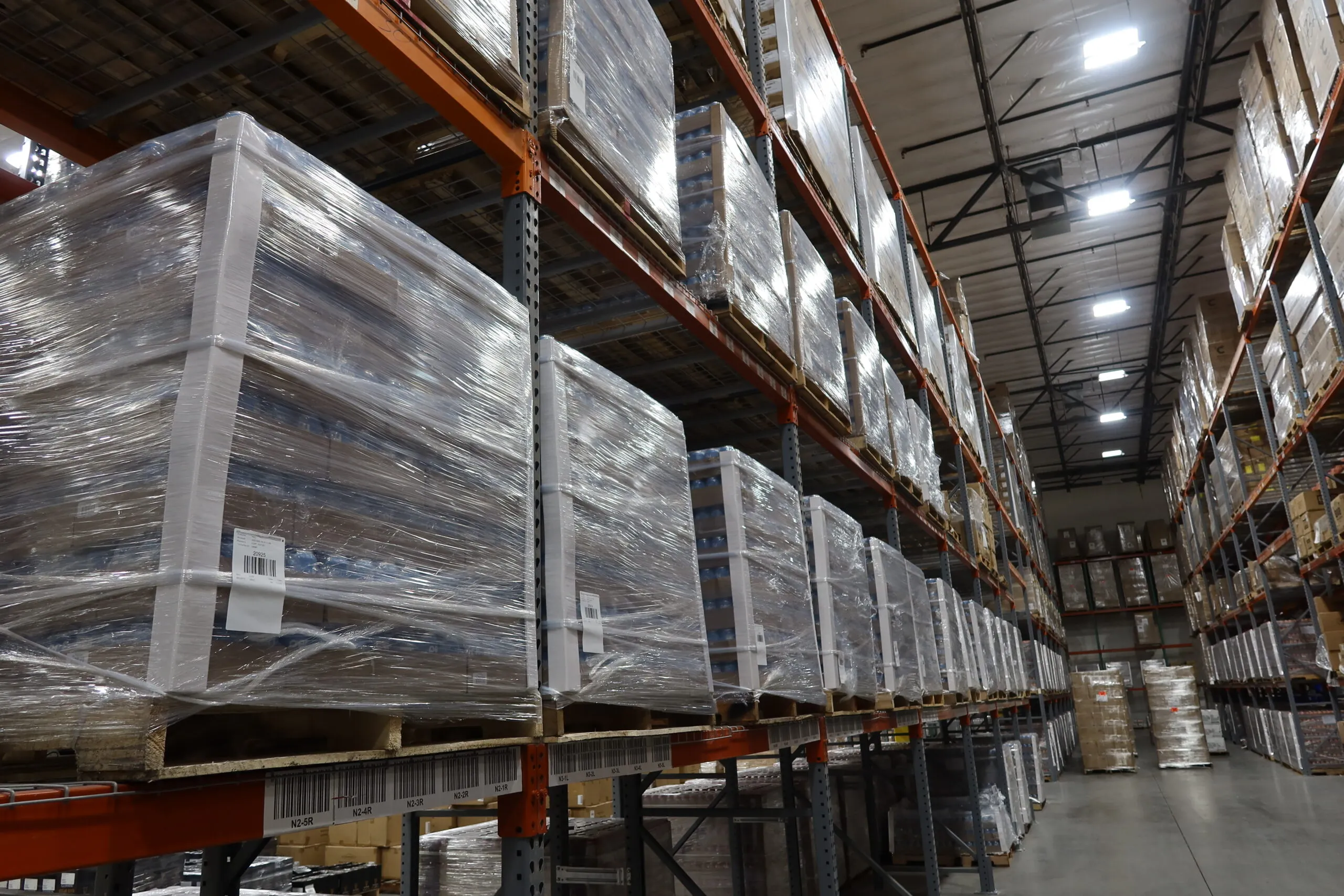
As beverage brands expand beyond a regional footprint, distribution strategy becomes as important to their growth as product quality or branding. Beverages are heavy, liquid-based products, which makes long-distance shipping expensive, operationally complex, and riskier to product integrity, particularly for brands trying to reach West Coast, Southwest, and national retail markets efficiently from a single distant facility.
What Makes Las Vegas a Strategic Distribution Hub for Beverages
Las Vegas sits at the intersection of major Western freight corridors, providing efficient access to California, Arizona, Utah, Nevada, and Colorado. Shorter shipping distances from this position translate directly into lower freight costs, faster delivery, and reduced handling risk relative to shipping the same orders from an East Coast facility.
Where Outsourced Beverage Distribution Delivers Cost Efficiency
Reduced freight spend: staging inventory in Las Vegas cuts down on long-haul shipping, fuel surcharges, and accessorial fees compared to shipping nationally from one distant warehouse.
Lower operational overhead: outsourcing removes the cost of a dedicated warehouse lease, staffing, and systems, converting a fixed cost into a scalable operating expense.
Reduced transit exposure: shorter transit times and distances reduce cumulative heat exposure and handling risk during shipment, which helps protect flavor, carbonation, and packaging integrity even without climate-controlled storage.
How Outsourced Distribution Supports Scaling Without Added Complexity
A Las Vegas-based distribution model can support DTC, wholesale, retail, and marketplace fulfillment from a single hub, which allows brands to launch new SKUs, add retailers, and absorb seasonal demand spikes without building out additional infrastructure themselves.
What Retail-Ready Beverage Distribution Requires
Meeting retail standards for beverage products means managing pallet configuration, labeling, and lot tracking to each retailer's specification, with FEFO (first-expired, first-out) inventory workflows and real-time visibility to protect product freshness and reduce compliance risk. These are execution details, not incidental ones. They directly determine whether shipments avoid retail chargebacks.
What Changes as a Beverage Brand's Western Volume Grows
As Western order volume increases, brands should revisit safety stock levels at their Las Vegas distribution point and confirm carrier agreements are optimized for the specific lanes running out of Nevada, rather than assuming an arrangement built for lower volume still fits. Brands expanding into new Western retail accounts should also confirm that lot-tracking and compliance workflows are being verified against each new retailer's specific requirements.
What to Look for in an Outsourced Beverage Distribution Partner
- Experience specifically with beverage products: pallet weight, packaging fragility, and lot-tracking requirements are different from general consumer goods handling.
- Storage and handling suited to the product's temperature sensitivity: carbonated beverages, for example, are more sensitive to heat exposure than shelf-stable dry goods, so get a clear answer on whether storage is climate-controlled and how exposure is managed if it isn't.
- A track record of retail compliance execution: correct labeling, ASN accuracy, and on-time delivery windows, since these directly affect chargeback exposure.
- Geographic coverage that actually matches where a brand's demand is concentrated, rather than a location chosen for cost alone.
- Multi-channel capability, so DTC, wholesale, retail, and marketplace orders can all be managed from the same distribution point rather than requiring separate providers.
Outsourcing Versus Building In-House Distribution
Building an in-house Western distribution capability is a real option for some beverage brands, but it requires committing to warehouse leases, staffing, systems, and compliance infrastructure well before volume in that region is fully proven out. Outsourcing to an established Western hub shifts that fixed cost into a variable one, which is generally a better fit for a brand still validating how much Western demand it can support. The decision to eventually build in-house, if it makes sense at all, is usually easier to make once actual volume and demand patterns are established through an outsourced arrangement first.
How Outsourced Distribution Affects Retail and Marketplace Onboarding
Adding a new retail account or marketplace channel often comes with its own compliance and integration requirements, and an established outsourced distribution partner has typically been through this onboarding process with other beverage brands before. That experience can shorten the time it takes to get a new retail account or marketplace integration fully operational, compared to building the same compliance workflows from scratch with an in-house team encountering a given retailer's requirements for the first time.
How Compliance and Lot Tracking Work in an Outsourced Model
Beverage products, particularly those with expiration dates or lot-specific quality considerations, require FEFO rotation to be enforced consistently. In an outsourced distribution model, this depends on the partner's inventory management system tracking lot codes accurately and applying rotation rules at the point of picking, rather than relying on manual staff judgment. Brands evaluating a distribution partner should ask specifically how lot tracking and rotation are enforced systematically, not just described as a policy.
What Changes as a Brand Adds Additional Western Retail Accounts
Each new retail account added in Western markets typically brings its own compliance requirements on top of the ones already in place. An outsourced distribution partner with experience onboarding multiple retail accounts in the same region can usually absorb this incrementally, but it's worth confirming, before adding a major new account, that the partner has capacity and process bandwidth to take on the additional compliance requirements without affecting service for existing accounts.
Why Proximity to Transportation Corridors Matters Beyond Just Distance
Being close to major highway and freight corridors matters for more than raw distance. It also affects carrier options, transit reliability, and the ability to recover quickly from a shipping delay. A facility positioned along well-served freight routes generally has more carrier and service-level options available, which gives a beverage brand more flexibility to balance cost and speed for different order types and destinations.
What a Realistic Onboarding Timeline Looks Like
Onboarding with TCB Global usually takes one to two weeks, and it can move faster when the situation calls for it. It involves more than simply shipping inventory to a new address: a proper onboarding process typically includes reviewing SKU-level handling requirements, confirming system integrations with the brand's existing sales channels, validating initial inventory counts upon arrival, and testing order flow before ramping to full volume. Brands that skip these steps in the interest of speed often end up troubleshooting the same issues after go-live that a proper onboarding process would have caught beforehand.
FAQs
Why is Las Vegas considered ideal for beverage distribution?
Its central position within Western freight corridors provides efficient access to California, Arizona, Utah, Nevada, and Colorado, along with generally lower operating costs than coastal logistics markets.
Does outsourcing beverage distribution to Las Vegas reduce shipping costs?
Shorter distances and more direct freight lanes from a Las Vegas hub generally reduce transportation expense compared to serving the same Western customers from an East Coast facility.
Is Las Vegas suitable for temperature-sensitive beverage products?
Location helps by shortening transit time and exposure, but climate control is a separate, facility-specific capability. TCB Global's Las Vegas facility is not climate-controlled, so protection for temperature-sensitive products relies on fast turnover and reduced transit exposure rather than regulated storage temperature.
Can outsourced Las Vegas distribution support both DTC and retail channels?
Yes. A single distribution hub can support DTC, wholesale, retail, and marketplace fulfillment simultaneously.
Does TCB Global offer beverage distribution from Las Vegas?
Yes. TCB Global operates a fulfillment facility in Las Vegas/Henderson, Nevada, supporting Western-market beverage distribution.
How do I evaluate whether a distribution partner has real beverage experience?
Ask about their specific processes for pallet configuration, lot tracking, storage conditions, and retail compliance for beverage products, rather than general fulfillment capability.
Is it better to outsource Western distribution or build it in-house?
Outsourcing generally makes more sense while a brand is still validating Western demand, since it avoids the fixed cost of leases, staffing, and systems before volume is proven.
What should be validated during onboarding before ramping to full order volume?
SKU-level handling requirements, system integrations with existing sales channels, and initial inventory counts should all be confirmed and tested before full volume shifts to the new partner.
If you're scaling a beverage brand into Western markets, contact TCB Global to discuss a Las Vegas-based distribution plan built around your current retail and DTC volume.
Want to learn more?
Check out how TCB can help you reduce costs and fulfill your beverage brand! (click here)
Heading 1
Heading 2
Heading 3
Heading 4
Heading 5
Heading 6
Lorem ipsum dolor sit amet, consectetur adipiscing elit, sed do eiusmod tempor incididunt ut labore et dolore magna aliqua. Ut enim ad minim veniam, quis nostrud exercitation ullamco laboris nisi ut aliquip ex ea commodo consequat. Duis aute irure dolor in reprehenderit in voluptate velit esse cillum dolore eu fugiat nulla pariatur.
Block quote
Ordered list
- Item 1
- Item 2
- Item 3
Unordered list
- Item A
- Item B
- Item C
Bold text
Emphasis
Superscript
Subscript
New Post:
Case Study

How F*ck Cancer Runs a Seven-Festival Tour Without a Logistics Team
F*ck Cancer brings cancer awareness to major music festivals through an activation tent. Their team sets it up and tears it down. Since 2024 we've handled everything behind that: routing, freight, delivery, pickup and storage between shows across seven festivals.
Read More