
3PL Audit Checklist: 10 Questions Every Brand Should Ask About Its Fulfillment Partner in 2026

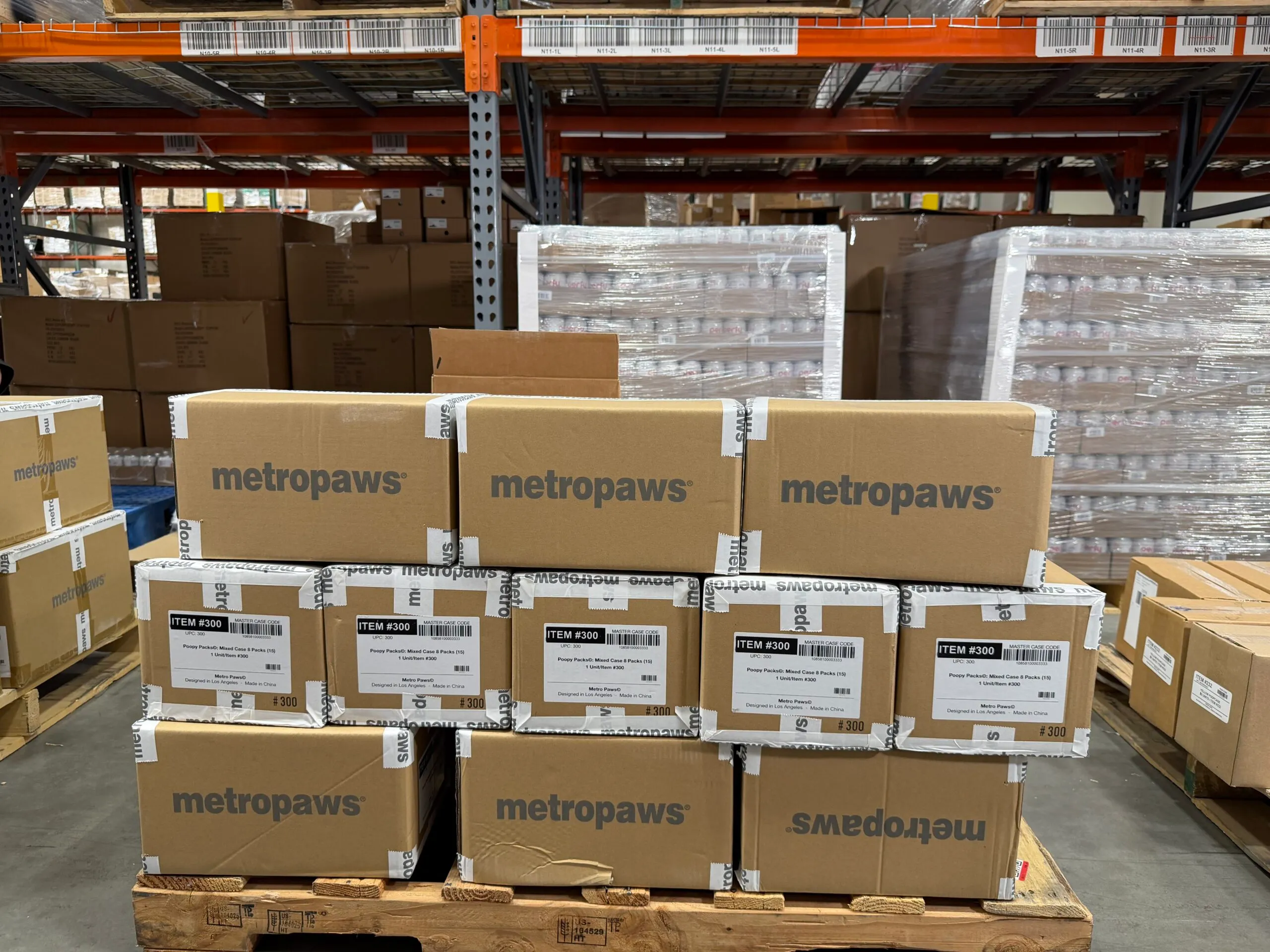
Most 3PL relationships start strong: clear expectations, manageable volume, solid communication. The drift happens gradually as a business grows: more SKUs, more orders, more channels, more operational pressure. If the 3PL's systems don't evolve alongside that growth, small gaps turn into inefficiencies, and inefficiencies turn into cost. Most brands never formally audit the relationship to catch this. They react to problems individually as they surface rather than stepping back to ask whether the underlying system is still working.
What a Real 3PL Audit Should Evaluate
A useful audit doesn't just ask whether things are currently working. It asks whether the system is built for where the business is going next, and it should surface hidden inefficiencies, cost drivers, operational bottlenecks, and scalability risks specifically.
The 10 Questions to Ask Your 3PL
- How accurate is our inventory, really? Ask for cycle count data, variance reports, and real-time visibility access rather than accepting a general assurance.
- How fast are orders actually being processed? Look at receipt-to-pick, pick-to-pack, and pack-to-ship times, not promised turnaround.
- What is our true error rate? Mis-picks cost more than the reshipment. Factor in customer trust and support time.
- How are shipping decisions being made? A strong 3PL should optimize carrier selection and service level rather than routing every order the same way.
- Are we shipping from the right locations? If national orders are shipping from a single warehouse, ask why inventory isn't positioned closer to where customers actually are.
- How scalable are current processes? If the answer to "what happens when volume doubles" is uncertain, that's worth addressing before it's tested by real growth.
- Do we have real-time visibility into operations? Inventory levels, order status, and fulfillment performance should be visible on demand, not requested.
- How are returns being handled? Returns affect cost, inventory accuracy, and customer experience, and are frequently under-managed.
- What happens during peak volume? Ask for the specific staffing and volume-forecasting plan, not a general assurance that peak is handled.
- Are we getting strategic value, or just storage and shipping? The distinction between a 3PL that executes tasks and one that helps optimize the operation is significant over time.
Why These Questions Get Skipped
Most brands skip a formal audit because things feel "good enough." Orders are going out, customers are receiving packages. But small inefficiencies compound quietly, and by the time they're visible in the numbers, they're already expensive. Brands that audit regularly treat fulfillment as a strategic function worth periodically re-examining, not just an operational one that runs in the background.
How TCB Global Approaches These Questions Proactively
TCB Global builds its fulfillment operation around real-time visibility, structured processes, and inventory positioned across its Orlando, Florida and Las Vegas/Henderson, Nevada facilities. The goal is that a brand can answer most of these ten questions on demand rather than needing to request an ad hoc review.
What to Do With the Results of an Audit
Running through this checklist produces one of two outcomes: confirmation that the current system is working, or a specific list of gaps that are costing more than expected. Either result gives a brand clarity it didn't have before, which is the actual point of the exercise. It's not necessarily to trigger a switch, but to know where the operation actually stands.
How to Structure the Conversation With Your Current Provider
Running through this checklist internally is useful, but the more direct step is bringing these same questions to your current 3PL and asking for specific, documented answers rather than general reassurance. Framing it as a scheduled operational review, rather than a complaint or an implicit threat to leave, tends to produce a more useful conversation. Most 3PLs, including strong ones, expect and welcome a periodic audit from a growing client, and a provider that resists a straightforward operational review is itself a signal worth noting.
Turning Audit Results Into an Action Plan
An audit is only useful if it produces a specific next step. If the review confirms the current system is working, that's a legitimate outcome: document it and set a date for the next review. If it surfaces gaps, prioritize them by cost impact rather than trying to fix everything at once. An inventory accuracy issue affecting every order is a different priority than a peak-season staffing gap that only shows up twice a year. Bring the prioritized list back to the current provider first, since some gaps can be resolved without a full transition, and reserve a full 3PL switch for cases where the gaps are structural rather than fixable within the existing relationship.
How Often Different Parts of the Audit Should Be Revisited
Not every part of a 3PL audit needs the same frequency. Inventory accuracy and order-processing speed are worth checking quarterly, since they tend to drift gradually and are easy to catch early with regular spot checks. Scalability and peak-season readiness are better evaluated annually, ahead of the season itself, so any gaps can be addressed with enough lead time. Strategic value (whether the 3PL is providing insight and optimization beyond basic execution) is worth revisiting whenever the brand's growth trajectory changes meaningfully, since that's the question most likely to reveal whether the relationship still fits.
Documenting the Audit for Future Reference
Whatever the outcome of an audit, it's worth keeping a written record of what was reviewed, what was found, and what, if anything, changed as a result. This creates a baseline for the next review, makes it easier to spot a gradual decline in performance over multiple audit cycles rather than treating each one as an isolated snapshot, and gives a brand a documented history to point to if a 3PL relationship does eventually need to be reevaluated more seriously.
Who Inside the Business Should Be Involved in the Audit
A useful 3PL audit usually draws on more than one perspective inside the business. Operations or supply chain leadership can speak to inventory accuracy and order-processing performance, customer service can speak to the volume and nature of fulfillment-related complaints, and finance can speak to whether shipping costs and chargebacks are trending in a direction that matches expectations. Pulling these perspectives together tends to surface a more complete picture than any single department would produce on its own.
FAQs
What is a 3PL audit?
A structured review of a fulfillment partner's inventory accuracy, order-processing speed, error rate, scalability, and strategic value, used to identify whether the current setup still fits the brand's needs.
How often should a brand audit its 3PL?
A full audit at least once a year, especially during periods of meaningful growth or channel expansion, with inventory accuracy and order-processing speed spot-checked quarterly.
What are the biggest red flags in a 3PL audit?
Missing or inaccurate inventory, incorrect orders or unverifiable error rates, rising shipping costs, slow communication, no real-time visibility, and no defined plan for scaling or peak season.
Does an audit mean I need to switch 3PLs?
Not necessarily. An audit often confirms the current system is working. When it doesn't, it gives a brand a specific, prioritized list of gaps rather than a vague sense that something is wrong.
Can TCB Global help review our current fulfillment setup?
Yes. TCB Global can walk through this same 10-question framework against a brand's current operation.
How should I bring this audit checklist to my current 3PL?
Frame it as a scheduled operational review rather than a complaint. A provider that welcomes a direct, documented conversation is generally a good sign; one that resists it is worth noting.
What do I do if the audit finds problems?
Prioritize findings by cost impact, not urgency of discovery, and bring the list to your current provider first. Some gaps can be fixed within the existing relationship without a full transition.
Not sure how your current 3PL holds up against these ten questions? Contact TCB Global for a straightforward operational review.
Want to learn more?
Heading 1
Heading 2
Heading 3
Heading 4
Heading 5
Heading 6
Lorem ipsum dolor sit amet, consectetur adipiscing elit, sed do eiusmod tempor incididunt ut labore et dolore magna aliqua. Ut enim ad minim veniam, quis nostrud exercitation ullamco laboris nisi ut aliquip ex ea commodo consequat. Duis aute irure dolor in reprehenderit in voluptate velit esse cillum dolore eu fugiat nulla pariatur.
Block quote
Ordered list
- Item 1
- Item 2
- Item 3
Unordered list
- Item A
- Item B
- Item C
Bold text
Emphasis
Superscript
Subscript
New Post:
Case Study

How F*ck Cancer Runs a Seven-Festival Tour Without a Logistics Team
F*ck Cancer brings cancer awareness to major music festivals through an activation tent. Their team sets it up and tears it down. Since 2024 we've handled everything behind that: routing, freight, delivery, pickup and storage between shows across seven festivals.
Read More